Traducción automática
·
Ver la versión original en inglés
Ocultar la versión original en inglés
Versión original en inglés
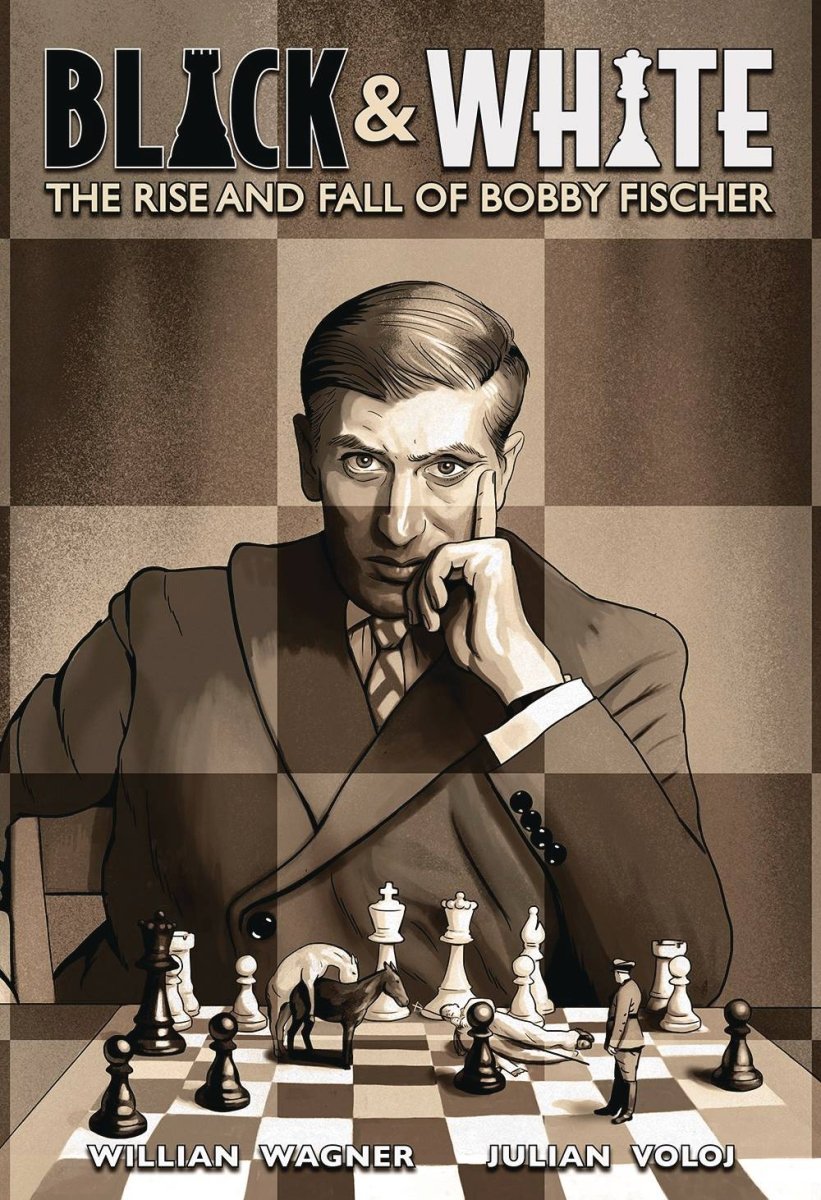
The life of Bobby Fischer (1943-2008) had many unexpected moves-from his solitary childhood to his stratospheric accomplishments in the world of competitive chess, and eventually, his decent into mental illness and disgrace. By the time Fischer was a teen, he had established himself as a loner and dropped out of school. But none of that mattered; he had found his true calling-chess. In 1972, Fischer played what many consider "the game of the century" against the Soviet Union's chess champion Boris Spassky at the height of the Cold War. Later, Fischer became the youngest-ever US Chess Champion and the game's youngest grandmaster. Never before had chess received such international attention. Fischer, whose sole focus in life up until then was chess, reached the Olympus of chess at 29, and then... he disappeared. Suffering from mental illness, the chess genius became increasingly paranoid, lost in anti-Semitic conspiracy theories-despite the fact that he himself was Jewish-and died as a fugitive in Iceland. With Black & White, author Julian Voloj and illustrator Wagner Willian have crafted a beautiful and fascinating work that reveals Fischer's history while also contextualizing his lasting impact on culture.
La vida de Bobby Fischer (1943-2008) estuvo llena de jugadas inesperadas: desde su infancia solitaria hasta sus logros estratosféricos en el mundo del ajedrez competitivo y, finalmente, su caída en la enfermedad mental y la desgracia. Para cuando era adolescente, Fischer ya se había labrado una reputación de solitario y había dejado la escuela. Pero nada de eso importaba: había encontrado su verdadera vocación, el ajedrez. En 1972, Fischer disputó lo que muchos consideran "la partida del siglo" contra el campeón soviético Boris Spassky, en plena Guerra Fría. Más tarde, Fischer se convirtió en el campeón de ajedrez de Estados Unidos más joven de la historia y en el gran maestro más joven del juego. Nunca antes el ajedrez había recibido tanta atención internacional. Fischer, cuyo único objetivo en la vida hasta entonces había sido el ajedrez, alcanzó el Olimpo del ajedrez a los 29 años y luego... desapareció. Aquejado por una enfermedad mental, el genio del ajedrez se volvió cada vez más paranoico, se perdió en teorías conspirativas antisemitas —a pesar de que él mismo era judío— y murió como fugitivo en Islandia. Con Black & White, el autor Julian Voloj y el ilustrador Wagner Willian han creado una obra hermosa y fascinante que revela la historia de Fischer y, al mismo tiempo, pone en contexto su impacto duradero en la cultura.