
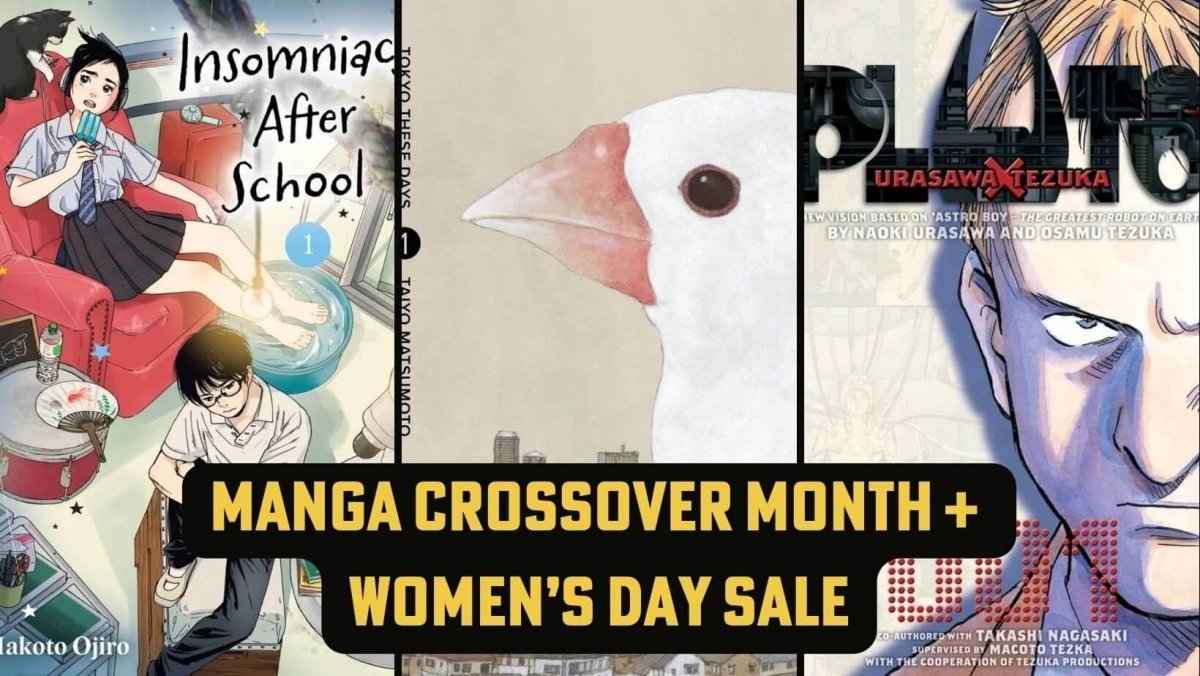
Celebrate Women’s Day With Us!
To mark the occasion, we’re running a special weekly sale: 25% off a curated manga collection with 900+ titles.
Our new Fanzine #3 is all about building bridges, and this Women’s Day sale follows the same idea: connecting readers with new voices, new perspectives, and maybe a new favorite manga.
The sale starts now and runs until March 14. The discount is automatically applied in your cart.
INTERNATIONAL WOMEN'S DAY MANGA SALE
And the new manga preorders from VIZ and Yen Press are finally online too!
Mangareader vs. Comicreader or:
How you actually just start somewhere
Table of Contents
- Start here if you’re new to manga
- The overlooked manga
- Classic “safe” recommendations
- For readers who want something artsier
Hi. I’m usually the person talking about manga, hunting for new stories, and somehow adding more and more volumes to my already not so little collection. That doesn’t mean I dislike comics. I still don’t really connect with classic superhero stories, but that’s not really the point.
The real reason is simpler: I started with manga. And once you feel at home in one universe, you don’t automatically go looking for every other rabbit hole. Comics were often something I noticed from the sidelines, unless a title really spoke to me.
Over time, I realised that the difference between manga readers and comic readers often isn’t about taste at all. It’s about where we started. Our entry point shapes what feels familiar, what we reach for when we want something new, and sometimes even what we think a medium actually is.
Because in the end, these worlds aren’t that far apart. They’re all drawn stories, visual storytelling, and that feeling of saying “one more issue.” And if you look closely, you’ll notice how much they influence each other anyway. Many mangaka grew up inspired by European or American artists, just as western creators have been shaped by manga and anime.
Jiro Taniguchi, for example, never hid his love for Franco-Belgian comics. One of his early works leaned so strongly into those influences that he hesitated to allow a reprint for years. It was only after receiving the blessing of the creators he looked up to that a new edition finally happened. The same goes for Haruhisa Nakata, who published one of his early works from left to right.
One creator I always come back to is Atsushi Kaneko. Visually, his work feels close to American artists like Charles Burns or Paul Pope. Discovering him years ago was what pushed me toward more individual, experimental manga.
So where do you start as a manga newbie?
Here’s something I’m slightly embarrassed to admit: whenever someone asks me for manga recommendations, especially adults coming from comics, I almost always end up suggesting seinen titles first. Maybe it’s because the paneling often feels a bit more familiar, closer to what many comic readers are used to.
But honestly, that’s unfair. There are plenty of great shojo and josei manga that are just as easy to get into, and often much more varied than people expect.
And yes, all those terms can sound confusing at first. The short version: they describe the demographic of the magazine a manga was originally published in, not the genre itself. So shonen doesn’t automatically mean action, and shojo doesn’t automatically mean romance. You’ll find love stories, thrillers, slice of life, and everything in between across all of them. Big titles like Naruto or One Piece shape how many people imagine manga, but they’re really just one corner of a much bigger landscape.
Which brings me to my biggest tip when trying a new medium:
"start inside your comfort zone".
If you love romance or quieter, character focused stories, jumping straight into something experimental might not be the easiest entry point.
Not the giant “Best Manga Ever” list
Instead of throwing a giant “best manga ever” list at you, I’d rather show you a few titles that actually work as entry points.
Most of them are shorter series, so you don’t need a huge commitment right away, and they have a paneling structure that’s easy to get into. And yes, I could easily name twenty more, but then you’d be reading this newsletter all day. So, I picked just two titles in three small categories.
The overlooked ones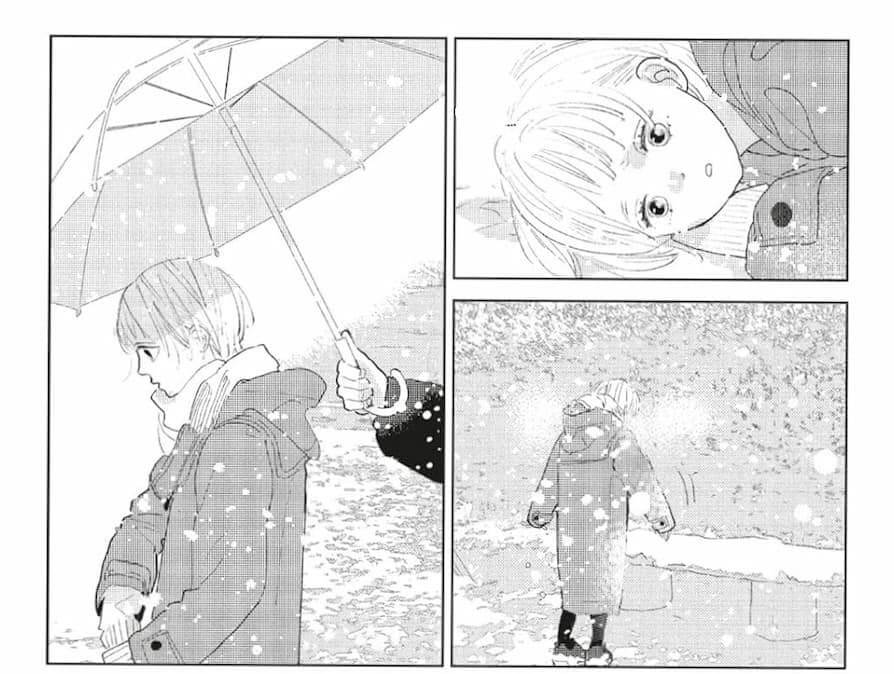
Makoto Ojiro, Insomniacs After School (14 Volumes)
A gentle, character driven story that feels calm, grounded, and easy to fall into. The manga focuses on two students dealing with insomnia who slowly build a quiet, honest connection.
There’s very little drama for drama’s sake. Mostly, it’s about atmosphere, small moments, and emotional comfort, which makes it perfect for readers who prefer reflective stories over big twists.
Mamoru Aoi, My Girlfriend’s Child (10 Volumes)
One title I always want to highlight. It takes a realistic and thoughtful approach to relationships, responsibility, and growing up, dealing with topics many romance stories avoid.
The emotional weight comes from how grounded the characters feel. It’s also one of the manga I like to point to when people dismiss shojo or manga aimed at women too quickly, because it shows how nuanced and mature these stories can be.
The classic “safe recommendations”
Or, if we’re being honest, the works or mangaka people love to mention to show off their manga taste.🤫😉
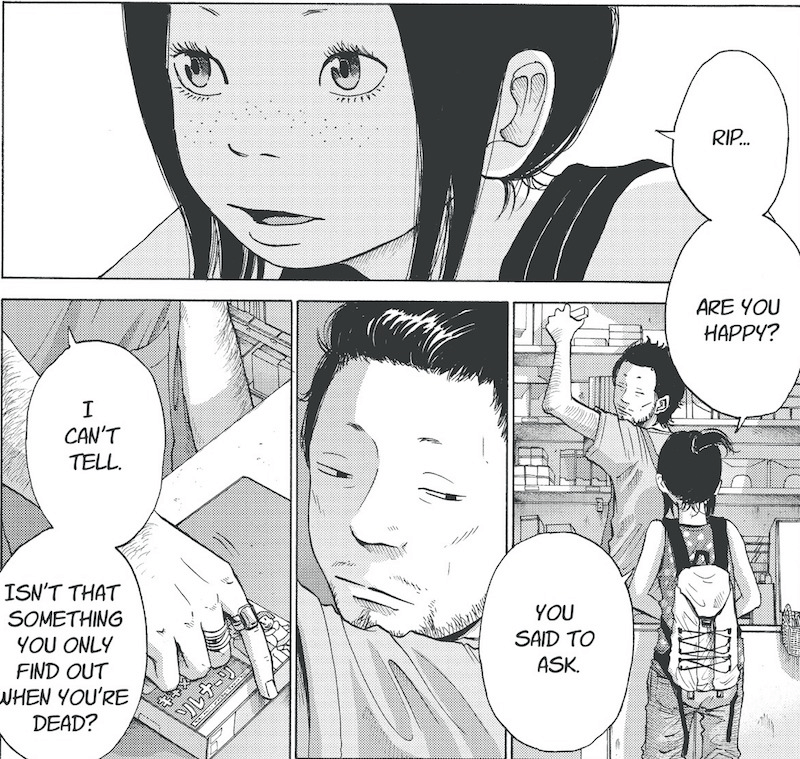
Naoki Urasawa, Pluto (8 Volumes)
A sci fi mystery that feels cinematic and emotionally grounded, and one of the easiest recommendations for comic readers. Even though it’s based on a classic Astro Boy arc, it reads like a modern thriller about humanity, technology, and memory. Urasawa’s storytelling is clean and very readable, with strong pacing that keeps you moving forward.
Inio Asano, Solanin (1 Volume)
A quiet slice of life story with strong indie graphic novel energy. Instead of big plot twists, it focuses on young adults trying to figure out work, relationships, and what they actually want from life. The emotional tone feels grounded and relatable, especially for readers who enjoy realistic storytelling.
For readers who like something more artistic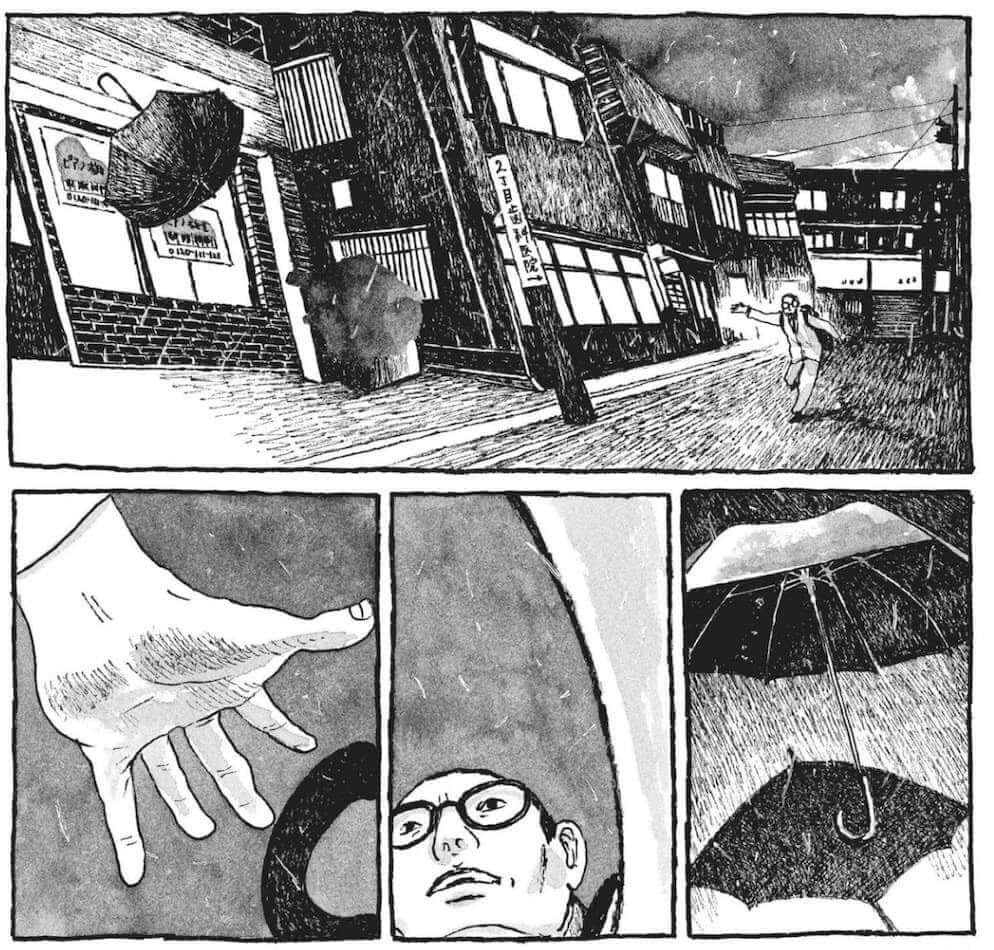
Taiyo Matsumoto, Tokyo These Days (3 Volumes)
Expressive artwork, reflective storytelling, and a strong focus on people working within the manga industry. The story moves at a thoughtful pace. Matsumoto’s art feels loose and emotional rather than polished, which gives the whole manga a very human feel.
Kotteri!, Veil (7 Volumes, ongoing)
More a collection of moments than a traditional narrative. Dreamlike, stylish, and somewhere between manga and artbook. Full of small illustrations, fashion sketches, and quiet emotional beats. It’s a great example of how manga can also function as a visual experience, not just a story to consume quickly.
And what if you want to start reading comics?
Let’s be honest, when you ask for comics that manga readers might enjoy, two series come up again and again: Saga and Monstress. Both are often recommended because they combine strong visual storytelling with character driven narratives.
Btw: our Monstress Sale is live right now - get the three hardcovers for 75€, or all Monstress trades 30% off.
MONSTRESS SALE Ken Niimura is also one of the creators who, for me, perfectly sits between manga and comics. His work carries influences from Japanese, European, and American storytelling. I Kill Giants is probably his best known title and a great starting point if you want something emotional but still very accessible.
And then there’s Invincible, which might be the closest American comics come to a shonen manga. It starts with familiar superhero elements but quickly grows into a long form coming of age story full of escalating stakes, emotional consequences, and character growth.
Avatar: The Last Airbender is worth mentioning too. While it isn’t a manga, its storytelling rhythm feel very familiar to many manga readers. The comics that continue the story keep that same balance of humour, emotion, and adventure, making them an easy entry point for readers who already enjoy anime inspired storytelling.
That’s it for this time.
Happy reading, wherever you decide to start,
Kerstin