Traducción automática
·
Ver la versión original en inglés
Ocultar la versión original en inglés
Versión original en inglés
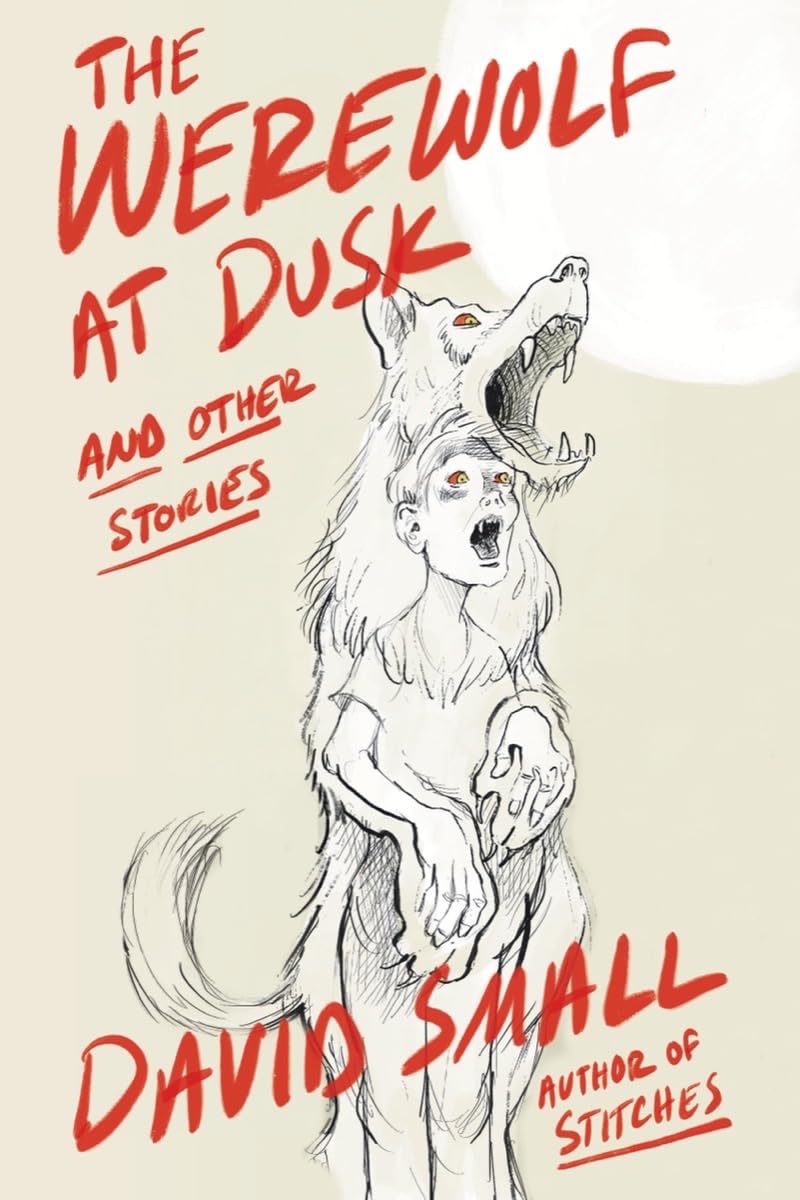
Long celebrated as a modern master of graphic literature, David Small has elicited in his work comparisons to Stan Lee and even Alfred Hitchcock. His internationally acclaimed graphic memoir, Stitches, told the story of a childhood in disarray. Werewolf at Dusk, appearing nearly fifteen years later, turned its attention to the twilight of life and to aging, gracefully or otherwise. The three stories in this collection are linked by the dread of things internal. In the title story, an adaptation of Lincoln Michel's classic short piece, the dread is that of a man who has reached senility with something repellant in his nature. The specter of old age also haunts the semiautobiographical story "A Walk in the Old City." Brain matter cascades and spiders loom as a psychoanalyst, self-assured in his practice, wanders along empty streets, reality warping into the irrational with the insouciance of a dream. In the final story, a reinterpretation of Jean Ferry's "The Tiger in Vogue," this dreamscape gives way to the ominous environs of Berlin in the 1920s.
Celebrado desde hace tiempo como un maestro moderno de la narrativa gráfica, la obra de David Small ha sido comparada con la de Stan Lee e incluso Alfred Hitchcock. Su aclamada novela gráfica autobiográfica, Stitches, contaba la historia de una infancia caótica. Werewolf at Dusk, publicada casi quince años después, dirigía su mirada al ocaso de la vida y al envejecimiento, con gracia o sin ella. Los tres relatos de esta colección están unidos por el temor a lo que llevamos dentro. En la historia que da título al libro, una adaptación del ya clásico relato breve de Lincoln Michel, ese temor toma la forma de un hombre que ha llegado a la senilidad con algo repulsivo en su naturaleza. El espectro de la vejez también sobrevuela el relato semiautobiográfico "A Walk in the Old City". Masa encefálica se derrama y las arañas acechan mientras un psicoanalista, seguro de sí mismo en su profesión, deambula por calles vacías, con la realidad deformándose hacia lo irracional con la despreocupación de un sueño. En el relato final, una reinterpretación de "The Tiger in Vogue" de Jean Ferry, este paisaje onírico da paso a los amenazantes entornos del Berlín de los años 20.