


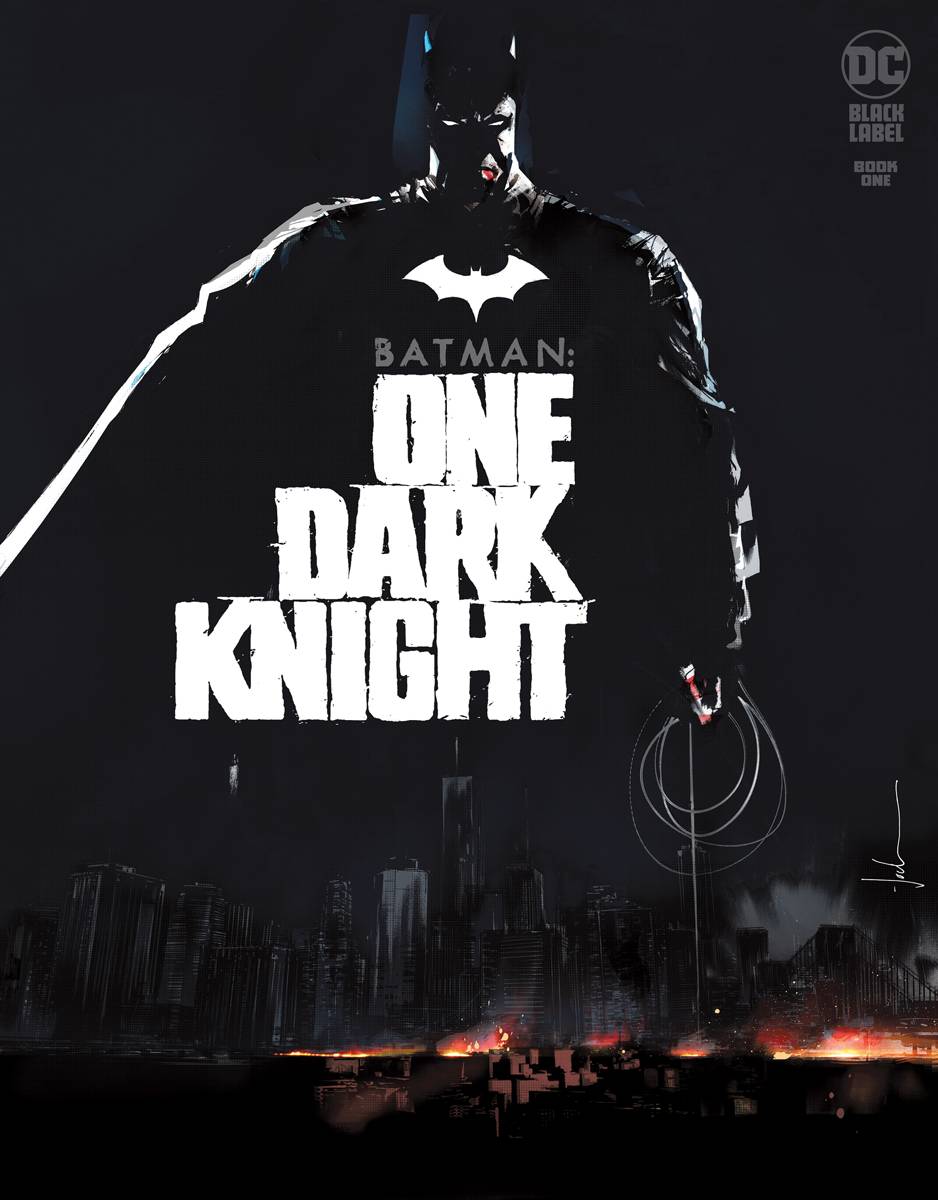
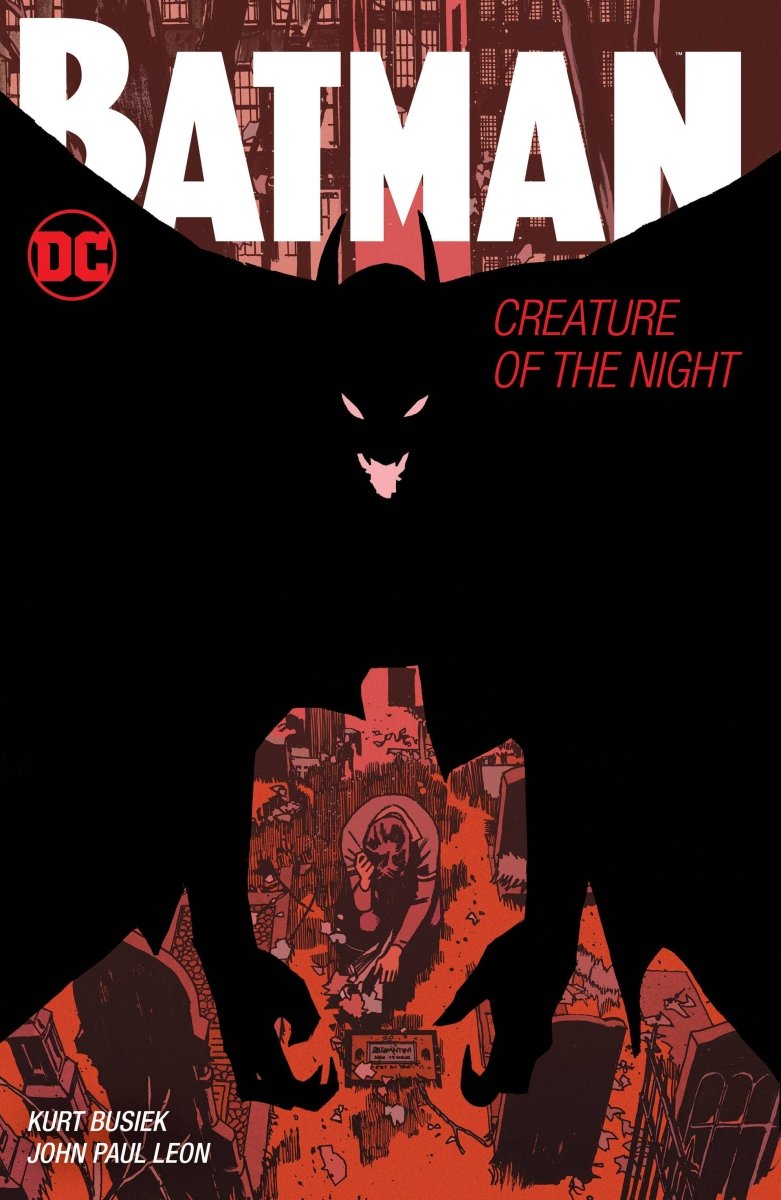
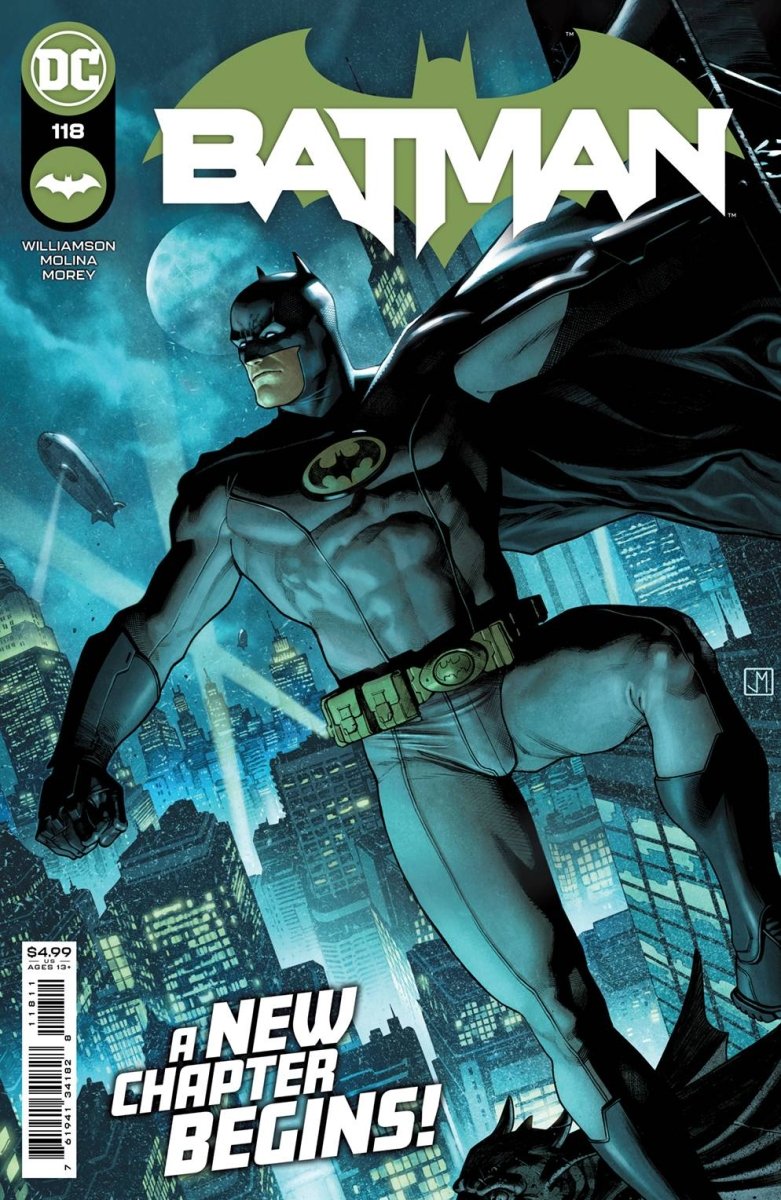


What is the plot of Batman comics?
The plot of Batman comics follows Bruce Wayne, who witnesses the brutal death of his parents in Crime Alley as a child. He dedicated his life to training his body and mind while traveling around the globe, coming back to Gotham City years later to fight crime as Batman. He deals with corrupt officials and the most iconic gallery of costumed villains, with the help of his butler Alfred, police Commissioner Gordon, and a growing cast of his “Bat-Family.”
Who are the main characters in Batman comics?
The main characters in Batman comics are:
- Batman / Bruce Wayne - the titular protagonist, a billionaire philanthropist and playboy by day, a vigilante detective by night
- Alfred Pennyworth - Bruce’s butler and surrogate father
- Commissioner James Gordon - the ally within Gotham’s police force, sometimes the only honorable cop in Gotham
- Robin - Batman’s colorful child ally, a role held by many people throughout the years: Dick Grayson, Jason Todd, Tim Drake, Stephanie Brown, Damian Wayne, Carrie Kelley
- Nightwing / Dick Grayson - the first Robin, changed his name to Nightwing when going independent; sometimes takes over for Bruce behind the cowl
- Batgirl / Barbara Gordon (also Stephanie Brown, Cassandra Cain) - Gordon’s daughter, defied Bruce and became a crimefighter and later hacker known as Oracle; trained and works with new Batgirls
- Catwoman / Selina Kyle - a thief, a rival, and the main love interest; she is the Irene Adler to Batman’s Sherlock Holmes
Who are the supporting characters in Batman comics?
The supporting characters in Batman comics include Red Hood, Red Robin, Batwoman, Lucius Fox, Signal, and many more. The supporting characters in Batman comics can be sorted into a couple of groups:
- Bat-Family members: Red Hood (Jason Todd), Red Robin (Tim Drake), Robin (Damian Wayne), Batwoman (Kate Kane), Orphan (Cassandra Cain), Spoiler (Stephanie Brown), Huntress (Helena Bartinelli), Signal (Duke Thomas), Bluebird (Harper Row)
- Allies: Lucius Fox, Leslie Thompkins, Harvey Bullock, Renee Montoya, Ace the Bat-Hound
- Justice League: Superman, Wonder Woman, Zatanna
Who are the main villains in Batman comics?
The main villains in Batman comics include:
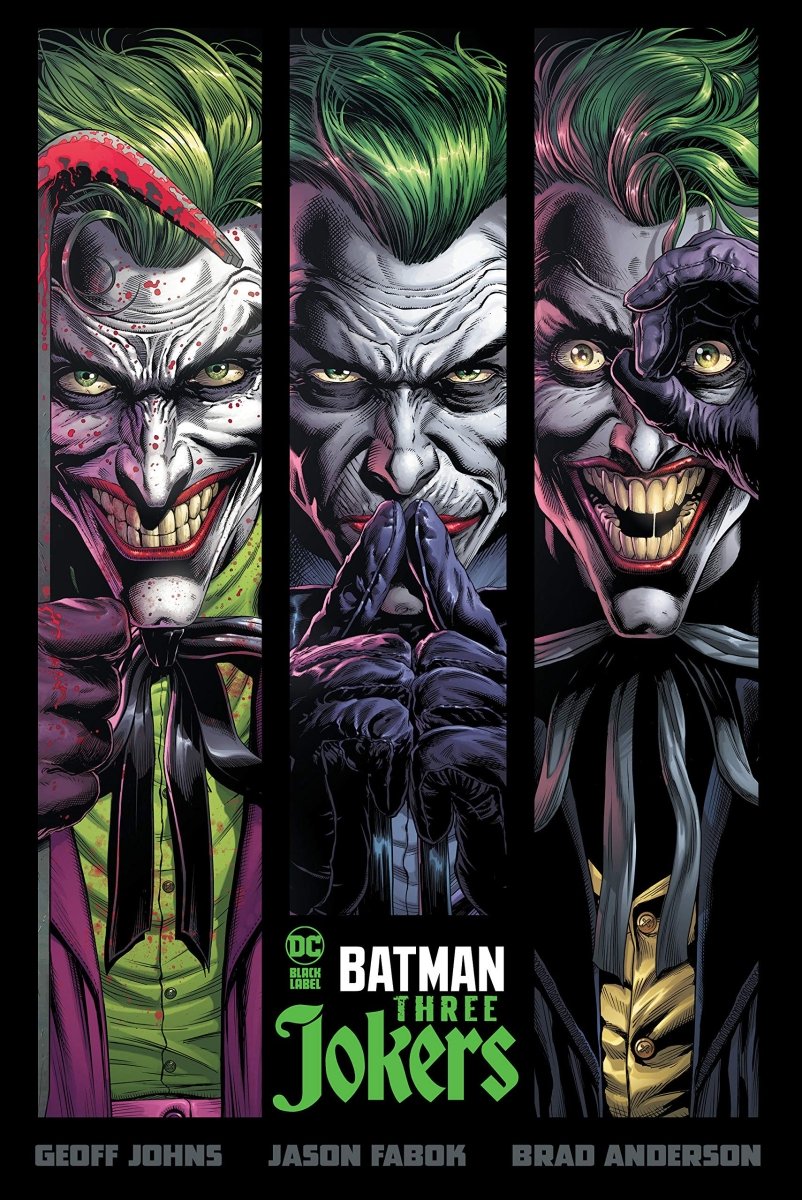
- The Joker - Batman’s archenemy, debuted in Batman #1 (1940), a psychotic clown
- Catwoman (Selina Kyle) - sometimes enemy, sometimes lover, always a thief
- The Penguin (Oswald Cobblepot) - penguin-themed umbrella-toting gangster and owner of the Iceberg Lounge
- Riddler (Edward Nigma) - an egomaniac obsessed with committing elaborate crimes and leaving puzzles and clues to prove his intellect
- Two-Face (Harvey Dent) - former District Attorney, now a mob boss with a fractured psyche and disfigured face, leaving everything up to a coin flip
- Scarecrow (Dr. Jonathan Crane) - a deranged psychologist obsessed with fear
- Mr. Freeze (Dr. Victor Fries) - a cryogenics expert trapped in a sub-zero suit, turned to crime to cure his terminally ill and cryo-frozen wife, Nora
- Poison Ivy (Dr. Pamela Isley) - a botanist and eco-terrorist, able to use plant toxins and pheromones for her agenda
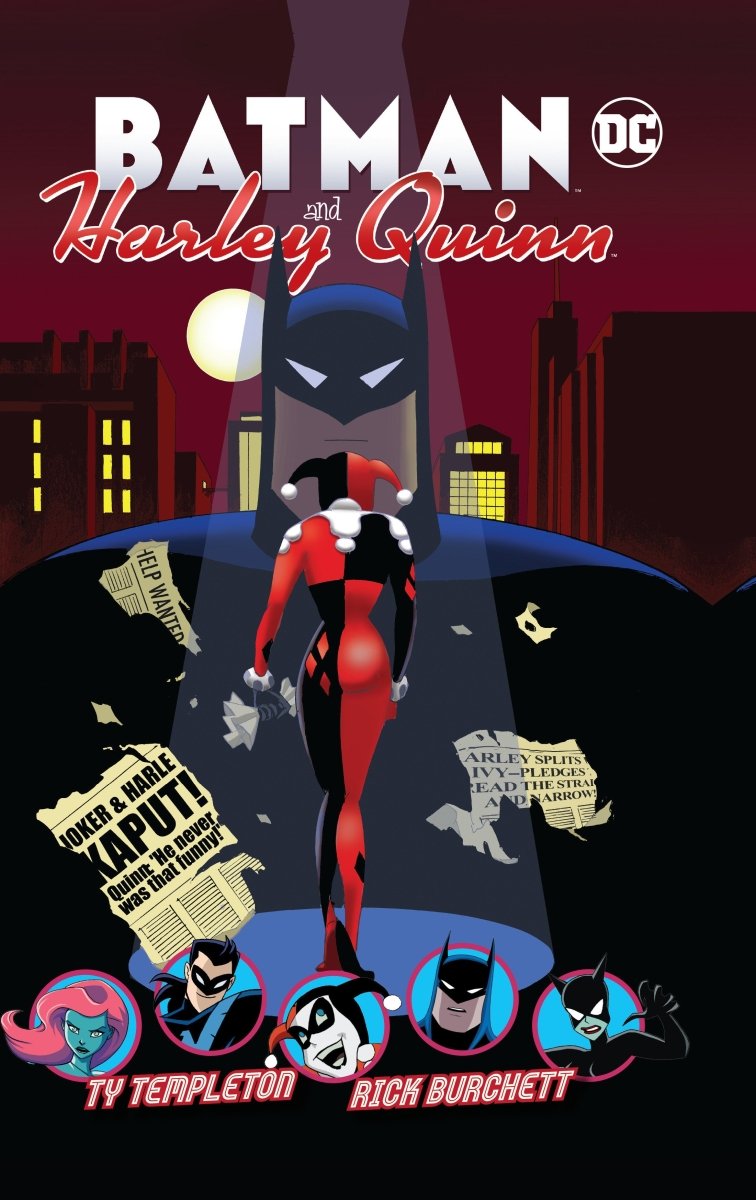
- Harley Quinn (Dr. Harleen Quinzel) - a criminal psychologist turned criminal menace
- Bane - a towering, venom-pumped tactical genius who famously broke the Bat
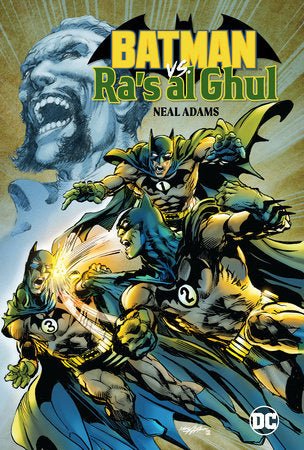
- Ra’s al Ghul - the immortal leader of the League of Assassins, user of the Lazarus Pit
- Killer Croc (Waylon Jones) - a man with a genetic skin and muscle condition who devolved into a massive, man-eating reptile
- Clayface (Basil Karlo and many more) - shape-shifting actor and monster of clay
- Mad Hatter (Jervis Tetch) - a neuroscientist who uses mind-control devices to act out his obsession with Alice’s Adventures in Wonderland
- The Ventriloquist (Arnold Wesker) - a timid man who projects his violent personality through a 1930s-style gangster dummy, Scarface
Batman comics have what is probably the best main villains cast in all of comic history.
Who are Batman's love interests in comics?
Batman's love interests in comics include:
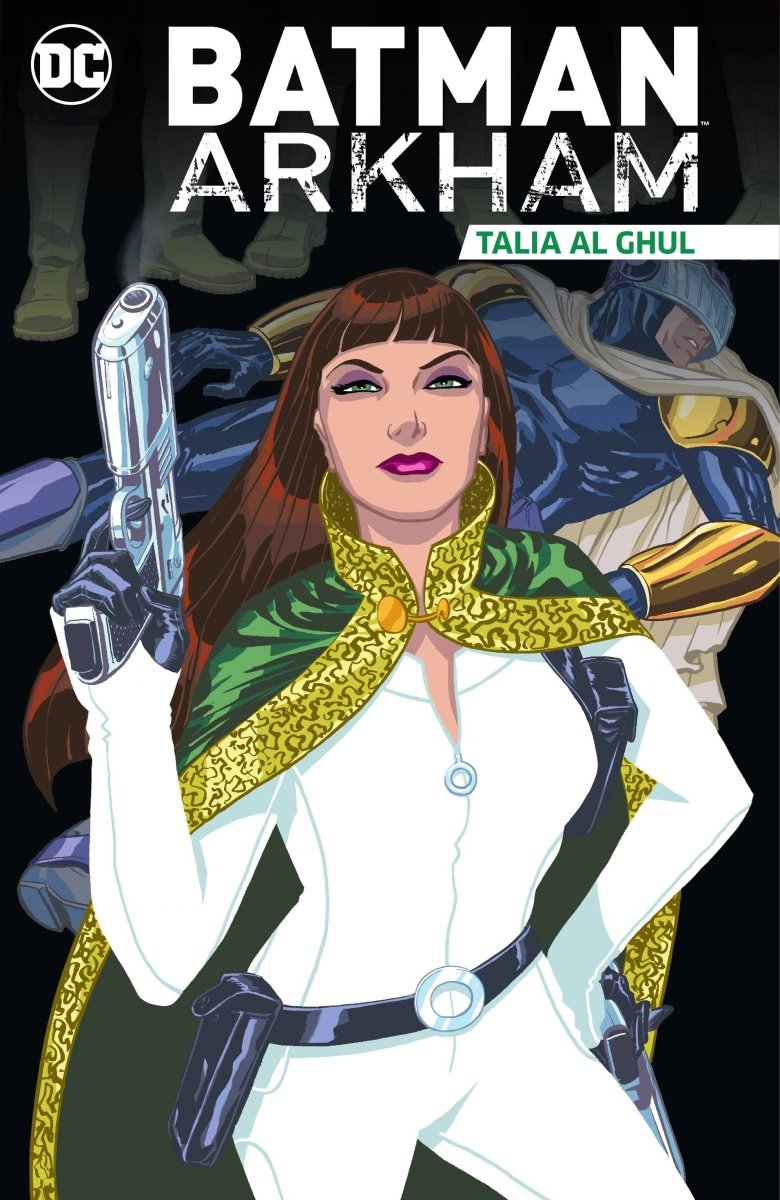
- Talia al Ghul, daughter of Ra’s and mother of Damian Wayne
- Vicki Vale, a photojournalist of Gotham Gazette
- Julie Madison, Silver St. Cloud, Jezebel Jet - women of Gotham’s high society
- Wonder Woman and Zatanna are sometimes connected to Batman
- Andrea Beaumont (film Mask of the Phantasm and its comic adaptations)
Just like his villains, Batman has collected a number of love interests through the many years of publication.
Who are the LGBTQ characters in Batman comics?
Batman comics are populated with LGBTQ characters, both as members of the Bat-Family, allies, or villains:
- Batwoman (Kate Kane): lesbian and DC’s most prominent LGBTQ hero
- Question (Renee Montoya): lesbian, ex-GCPD detective
- Harley Quinn and Poison Ivy: bisexual; a long-running antagonist couple
- Catwoman (Selina Kyle): bisexual under the pen of many writers
- Robin / Red Robin (Tim Drake): came out as bisexual in 2021
What are the themes of Batman comics?
The main themes of Batman comics usually center on justice, trauma, and the moral cost that comes with fighting crime.
- Justice vs. vengeance: Batman is a character who turned his grief into a mission, while making his famous “no killing” rule
- Trauma and obsession: Batman’s trauma has turned into an obsession, with many stories bringing his sanity to the forefront
- Crime and corruption: Everyone in Gotham is corrupt, from the mob, over the police to Gotham's elite. They are sometimes as dangerous as the costumed villains
- Order vs. chaos: If Batman stands for order, then Joker is his chaotic antithesis
- Family and legacy: Batman is a story about found family, with a lonely man surrounding himself with people he loves - Alfred and his Robins
- Human limits: Bruce often does acts that seem inhumane, and many stories test just how far he can go and how prepared he is for anything
What is Batman's #1 rule?
Batman’s #1 rule is that he never kills. He will refuse to take a life, even of the worst people like the Joker, because he believes that doing so will make him the same. While the early stories (1939-1940) saw Batman kill and use a gun, Danny O’Neil and Neal Adams established the Batman we know and love in the 1970s, including his obsessiveness and rules.
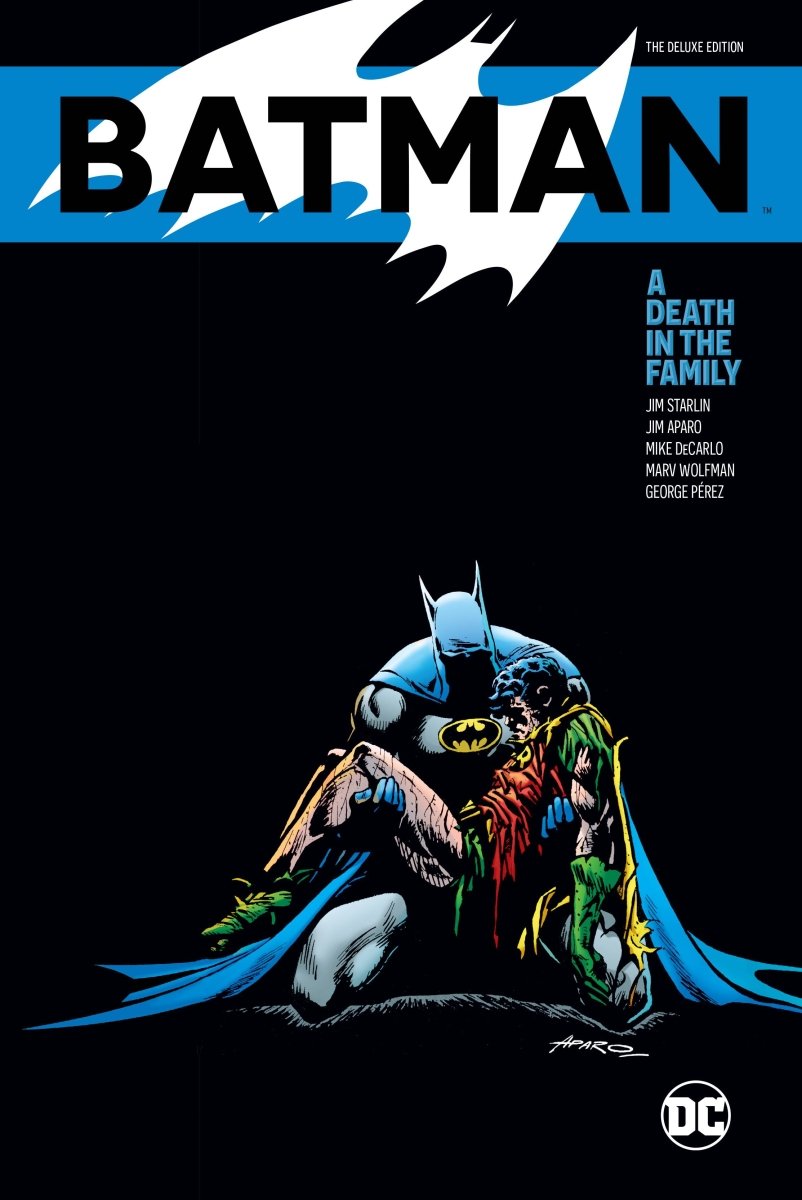
Another rule is that he will not use a gun, since this is what killed his parents. There are stories that test this (The Killing Joke, Under the Hood, A Death in the Family) and some that break it (Final Crisis), but in most iterations Batman will refrain from using it.
Which Batman comics show his compassion?
Batman comics that show his compassionate side include:
- Detective Comics #457: “There Is No Hope in Crime Alley” (1976) showcases Batman’s relationship with Leslie Thompkins, who was there for him the night his parents died, and how Bruce visits her every year.
- The Killing Joke (1988): Batman is pushed to the brink, but still chooses to refrain from killing Joker (or does he?)
- A Lonely Place of Dying (1989): Batman finally allows Tim Drake to come close while grieving the death of Jason Todd.
- Batman: Year One (1987): explored the early bond with Jim Gordon and all that Batman will do to protect Gordon’s son.
- Tom King’s Batman (2016-2019): the King of sad superheroes writes a Batman who cares about Gotham Girl, Selina, Dick and so many others.
While he might not look it, Batman is a deeply compassionate person.
Which Batman comics should you read?
The Batman comics you should read first are the acclaimed stories. There is a reason everyone praises and loves them. Books like Year One, The Long Halloween, The Dark Knight Returns, and The Court of Owls give us a better look at the character as well as different themes/genres, so there is something for everyone. Best of all, they don’t need you to know anything about Batman lore before reading them.
What are the best Batman comics of all time?
By fan consensus and critics, these are some of the best Batman comics of all time, in no particular order:
- Batman: Year One by Frank Miller and David Mazzucchelli
- The Dark Knight Returns by Frank Miller
- The Long Halloween by Jeph Loeb and Tim Sale
- The Killing Joke by Alan Moore and Brian Bolland
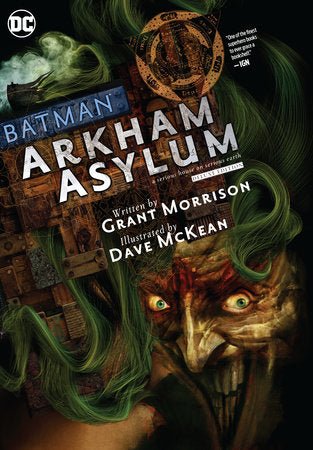
- Arkham Asylum: A Serious House on Serious Earth by Grant Morrison and Dave McKean
- Hush by Jeph Loeb and Jim Lee
- The Court of Owls by Scott Snyder and Greg Capullo
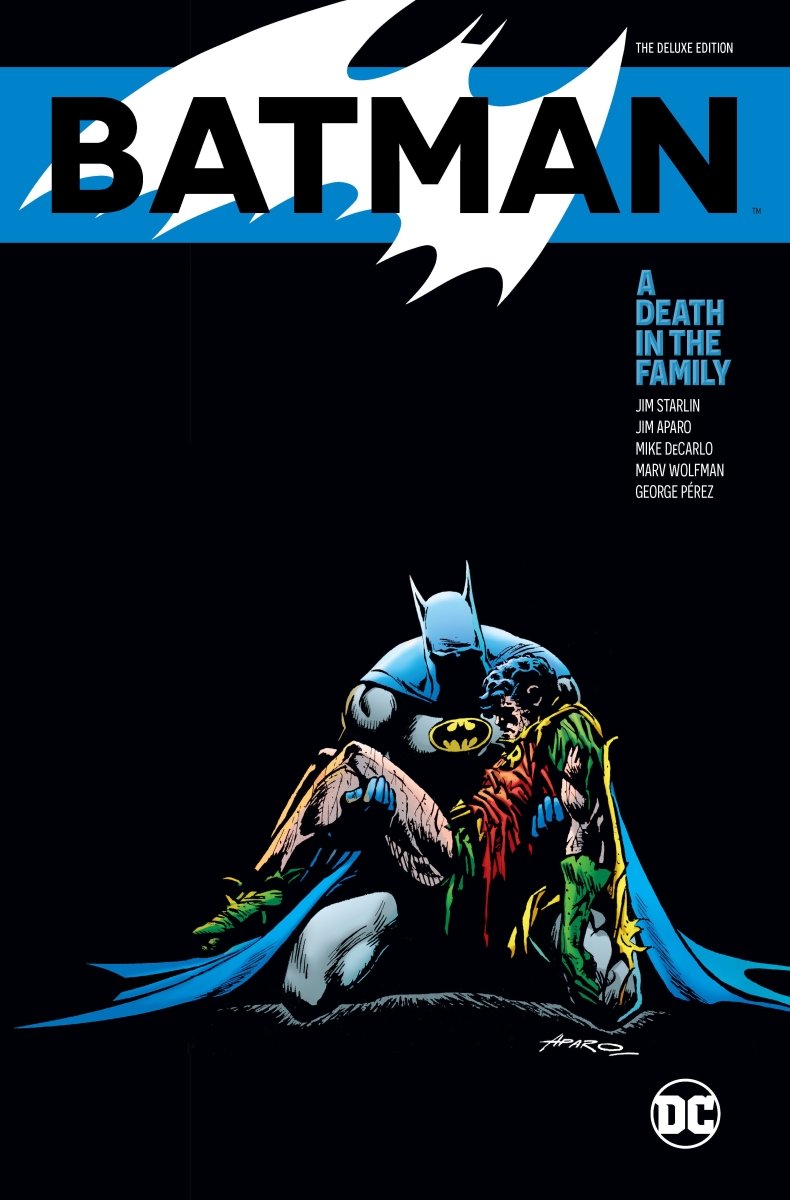
- A Death in the Family by Jim Starlin and Jim Aparo
- Knightfall by Doug Moench, Chuck Dixon and others
- Absolute Batman: The Zoo by Scott Snyder and Nick Dragotta
Which Batman comic series is the best?
There are many acclaimed runs, so saying one Batman comic series is the best is a tough job. Scott Snyder and Greg Capullo’s Batman run during New 52 is usually considered a great, complete read for beginners in the modern era. Strong alternatives (that might not always fit beginners) are Grant Morrison’s run, Tom King’s run, or Absolute Batman.
What are the most underrated Batman comics?
These Batman comics are often cited as being the most underrated ones:
- Batman: Ego by Darwyn Cooke
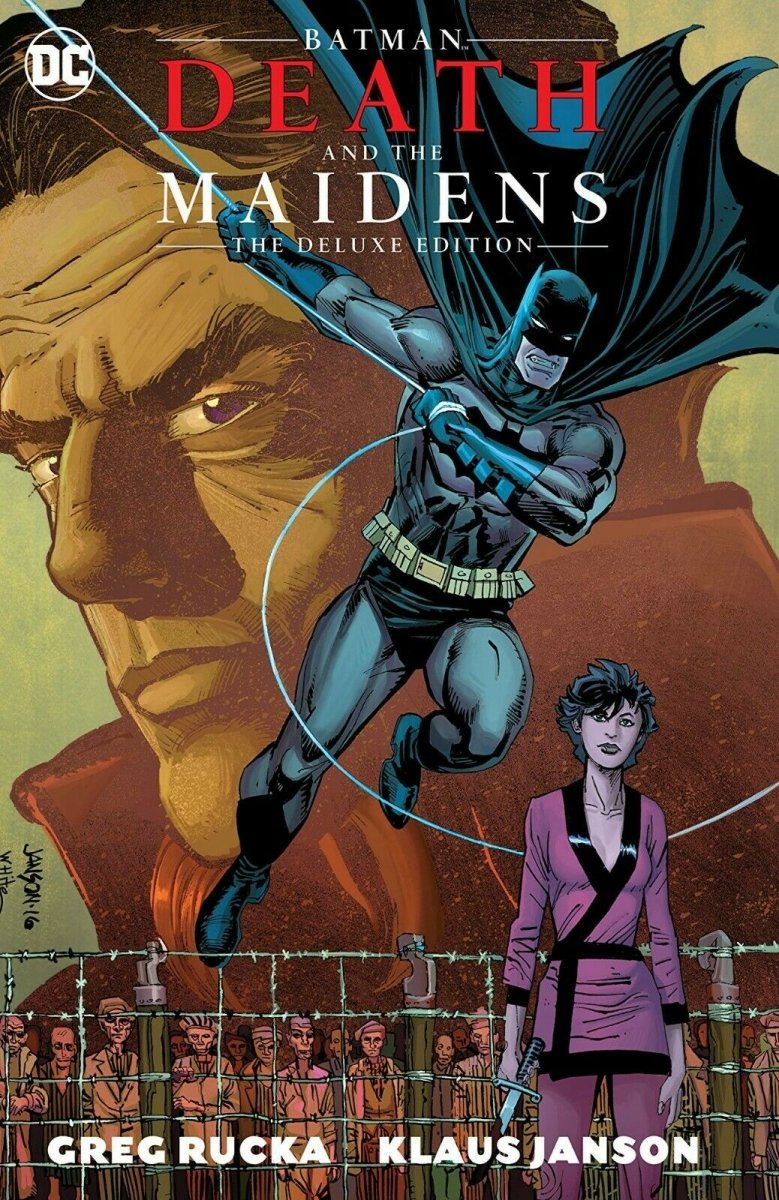
- Batman: Gothic by Grant Morrison and Klaus Janson
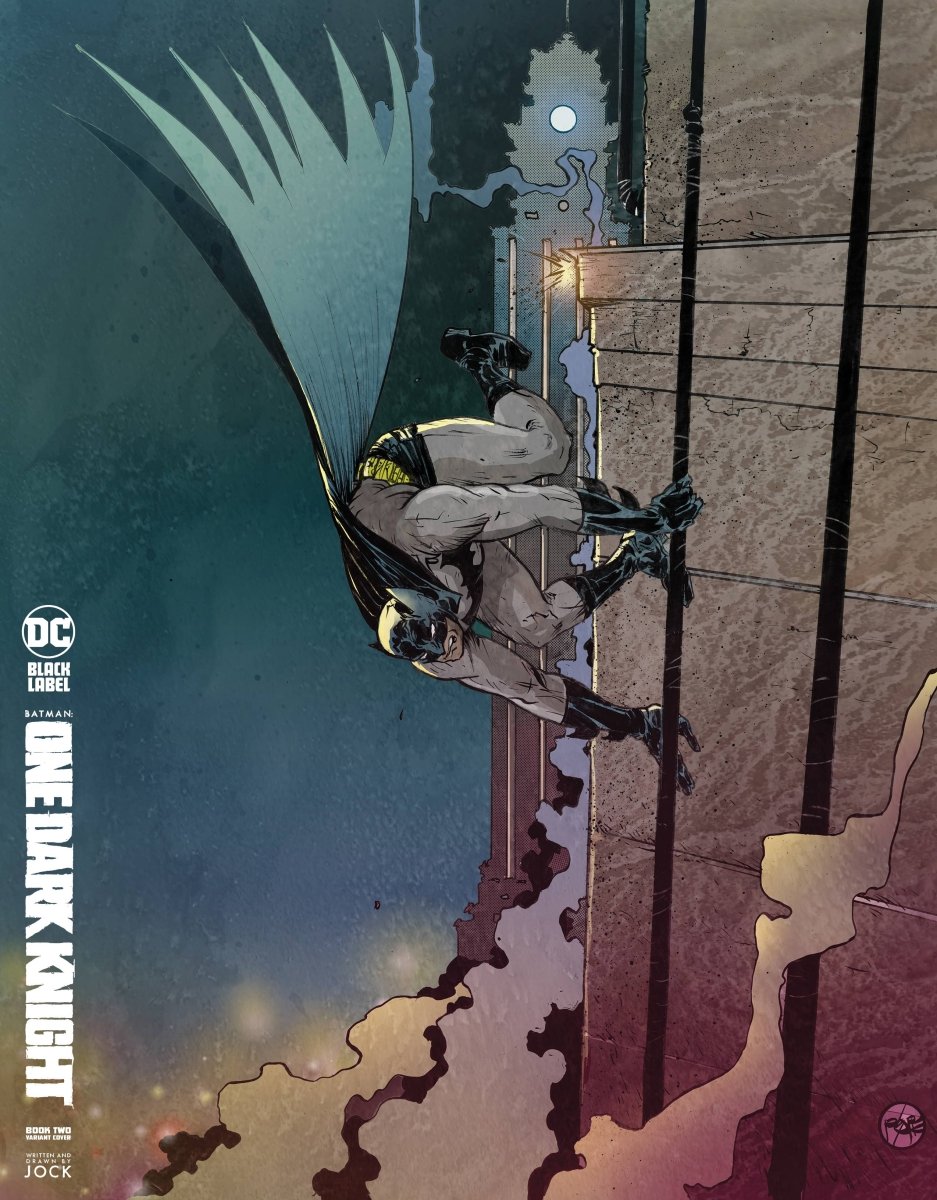
- The Black Mirror by Scott Snyder, Jock and Francesco Francavilla (Detective Comics #871-881)
- Batman: Night Cries by Archie Goodwin and Scott Hampton
- Batman: The Cult by Jim Starlin and Bernie Wrightson
- Batman and Robin by Peter Tomasi and Patrick Gleason
- Batman: Gotham by Gaslight by Brian Augustyn and Mike Mignola
What is the darkest Batman comic?
The Killing Joke (1988) is definitely one of the darkest Batman comics. This is the story in which the Joker shoots and paralyses Barbara Gordon, with further abuse implied, and then further tortures Jim Gordon in order to prove that any man could go mad - it only takes one bad day.
Other twisted Batman comics are Batman: The Cult, Arkham Asylum, The Black Mirror, and Death of the Family (not to be confused with A Death in the Family).
What is the most disturbing Batman comic?
Due to their themes, many Batman comics deal with disturbing topics. The most disturbing Batman comics are Arkham Asylum: A Serious House on Serious Earth and The Killing Joke, but they are not the only ones. Other disturbing Batman comics include:
- Batman: The Cult - deals with cult brainwashing and starvation
- The Black Mirror - deals with child murder
- Death of the Family - body mutilation
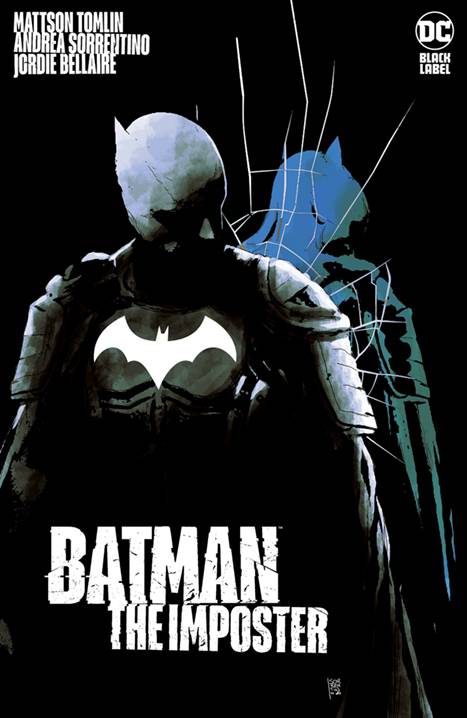
- Batman: Damned - DC’s Black Label imprint for mature readers
Is there a Batman comic about his training years after his parents' murder?
The Batman comics that dealt with his training years after his parents’ murder include:
- Batman: The Man Who Falls sees Bruce’s travels and training
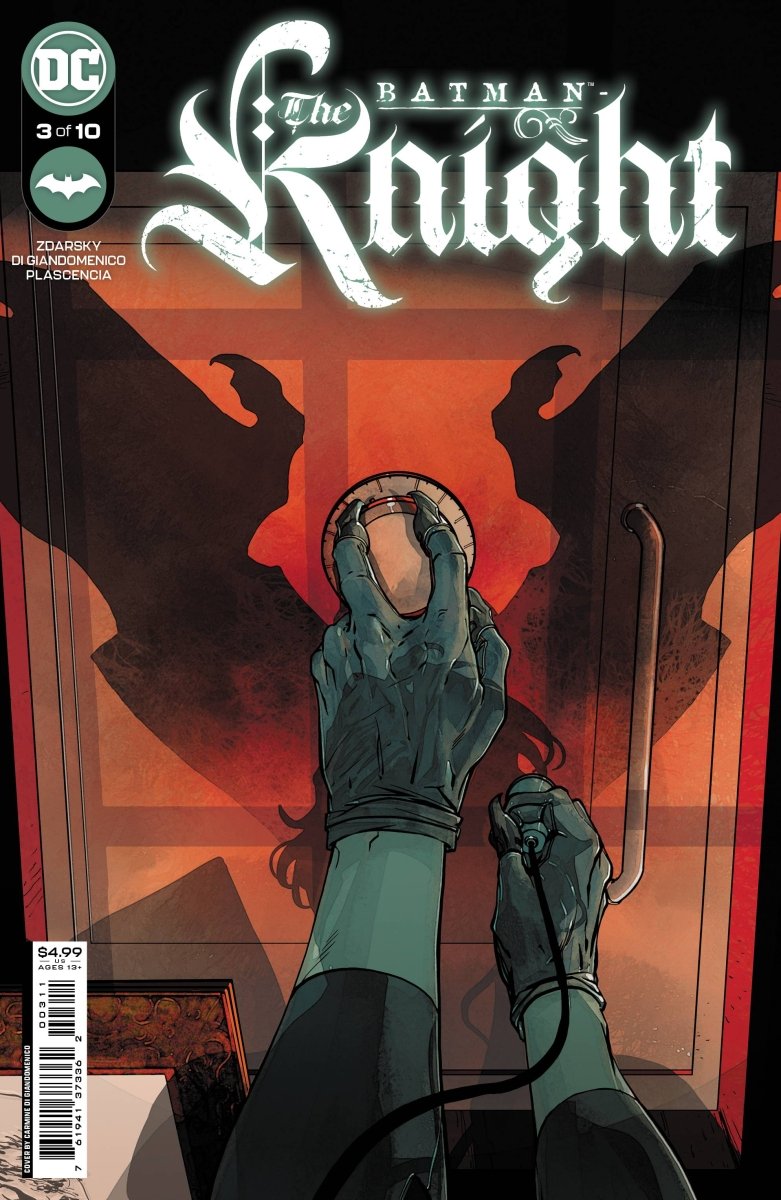
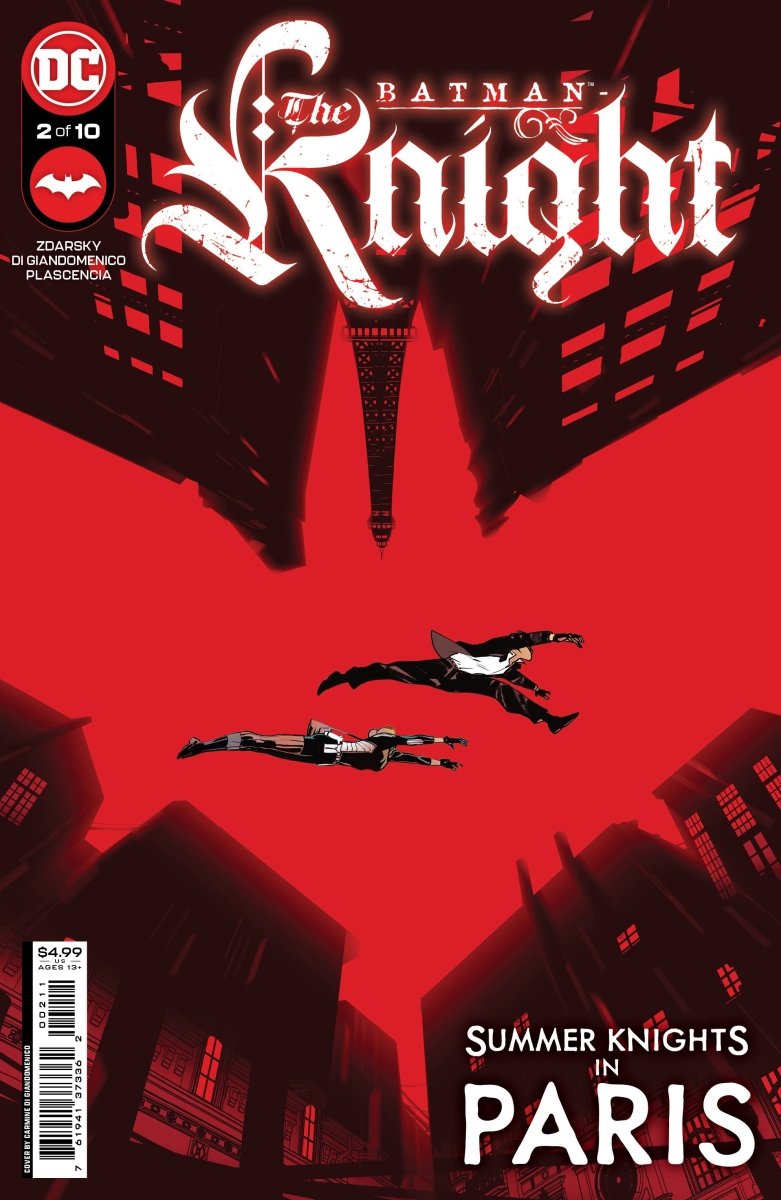
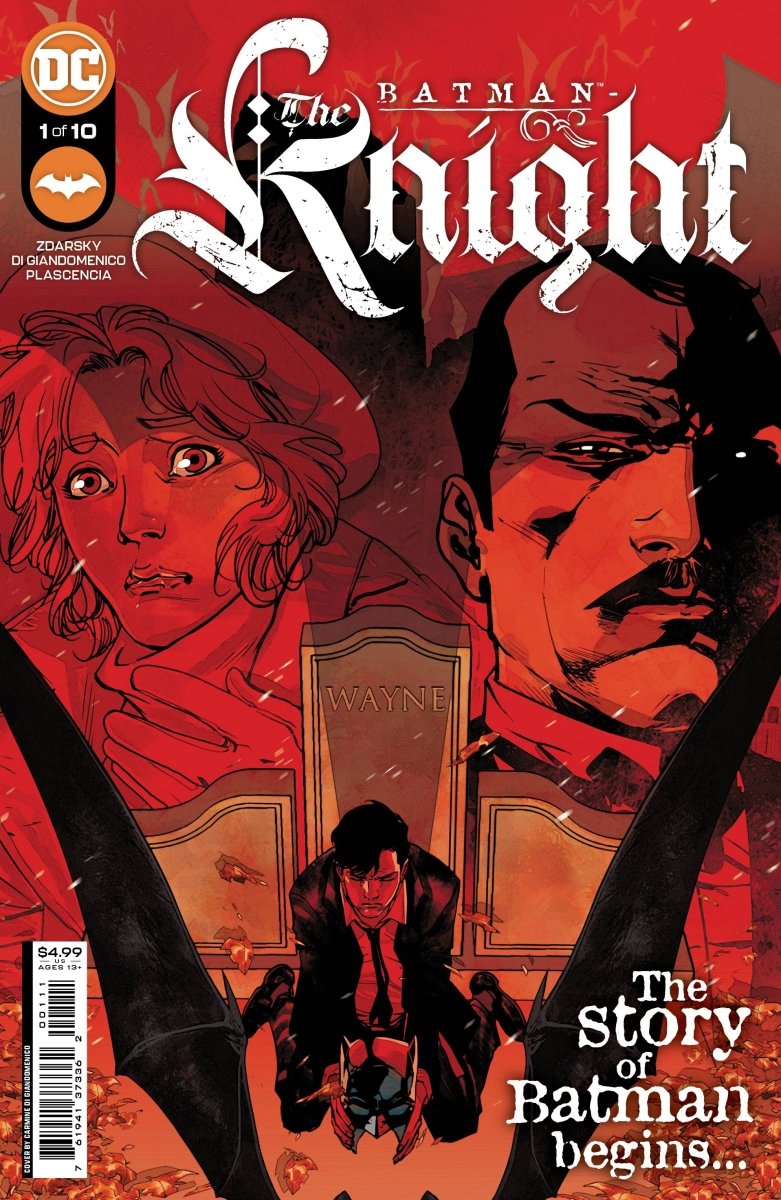
- Batman: The Knight is a more modern exploration of the same period
- Batman: Year One is Bruce’s first year back in Gotham post-Crisis
- Batman: Zero Year is the New 52 origin
- Legends of the Dark Knight is a series about early-career adventures
Should you read old Batman comics?
Yes, you should definitely read old Batman comics. There are plenty of different styles to enjoy and different genres/themes to explore. Golden Age (1939-1950s) is pure pulp. Silver Age (1950s-1960s) can be very goofy and sci-fi. O’Neil/Adams run in the 1970s established what the modern Batman is, so this is an amazing “starting point” when wanting to read old Batman comics. DC Finest collections are a great way to access some of these stories affordably.
How to read Batman comics?
The best way to read Batman comics is by story arc or creative run. Usually, you will be able to find these in collected editions instead of issue by issue - though this doesn’t apply to the current runs. The best part of Batman comics is that they usually work well on their own, since Batman is a foundational DC character who is easy to understand the basic history of.
Where to start reading Batman comics?
The best place to start reading Batman comics as a continuous exercise is in post-Crisis, with Batman: Year One (1987). It retells Bruce’s first year in Gotham in the new continuity, so there is no need for prior knowledge. After that, you can just continue forward. Alternatively, you could pick up one of these stories:
- The Long Halloween (1996-1997): a year-long murder mystery themed around holidays, taking place early in Batman’s career and introducing costumed villains
- Batman: The Court of Owls (2011): modern (New 52) start, no prior history needed
- Absolute Batman (2024): fresh, standalone, alternate universe Batman
- Batman by Matt Fraction and Jorge Jiménez (2025): the current run
What is the reading order for Batman comics?
The core reading order for Batman comics that is usually recommended by the community is:
- Batman: Year One (Batman #404-407)
- The Long Halloween + Dark Victory
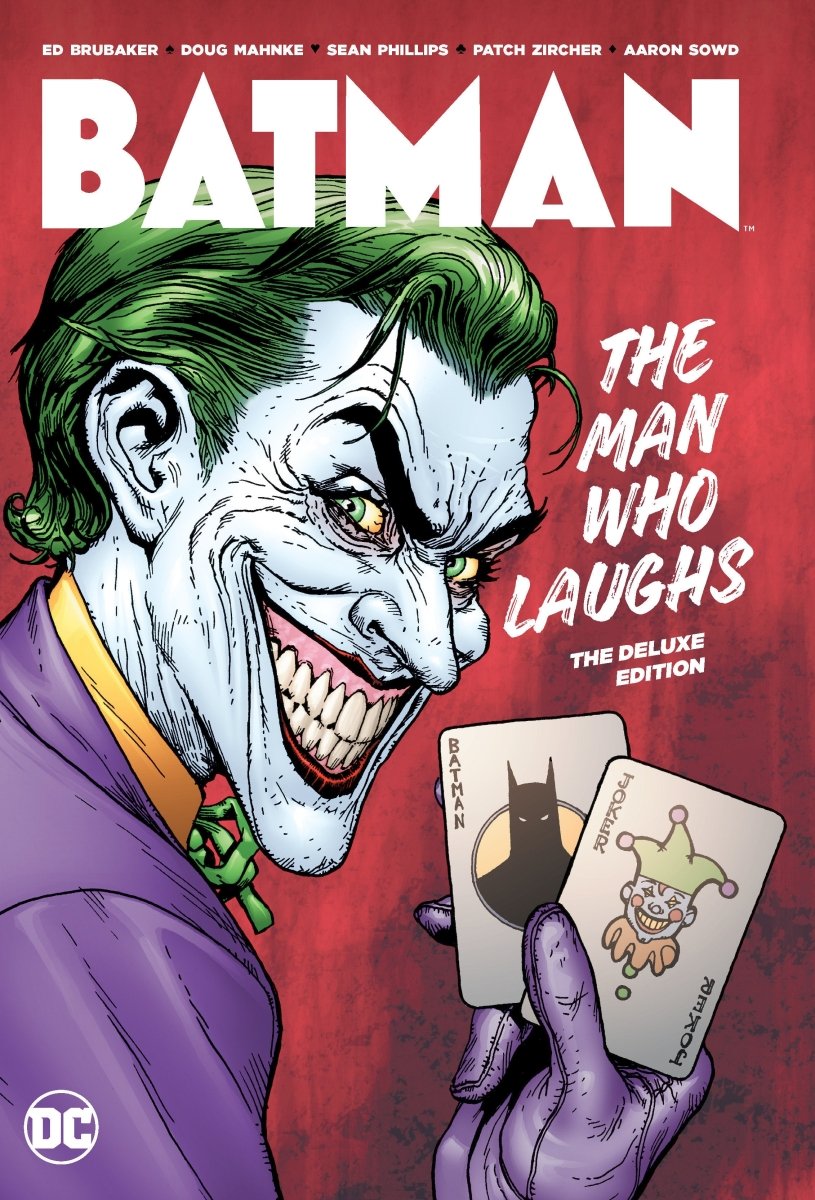
- The Man Who Laughs (first Joker story)
- A Death in the Family (Batman #426-429)
- A Lonely Place of Dying (Batman #440-442)
- Knightfall, Knightquest, KnightsEnd (1993-1994)
- No Man’s Land (1999)
- Hush (Batman #608-619)
- Under the Hood (Batman #635-650)
- Grant Morrison’s run: Batman and Son, Batman R.I.P., Batman and Robin, Batman Incorporated
- Snyder + Capullo’s run: Court of Owls to Endgame (or Superheavy)
- Tom King’s run
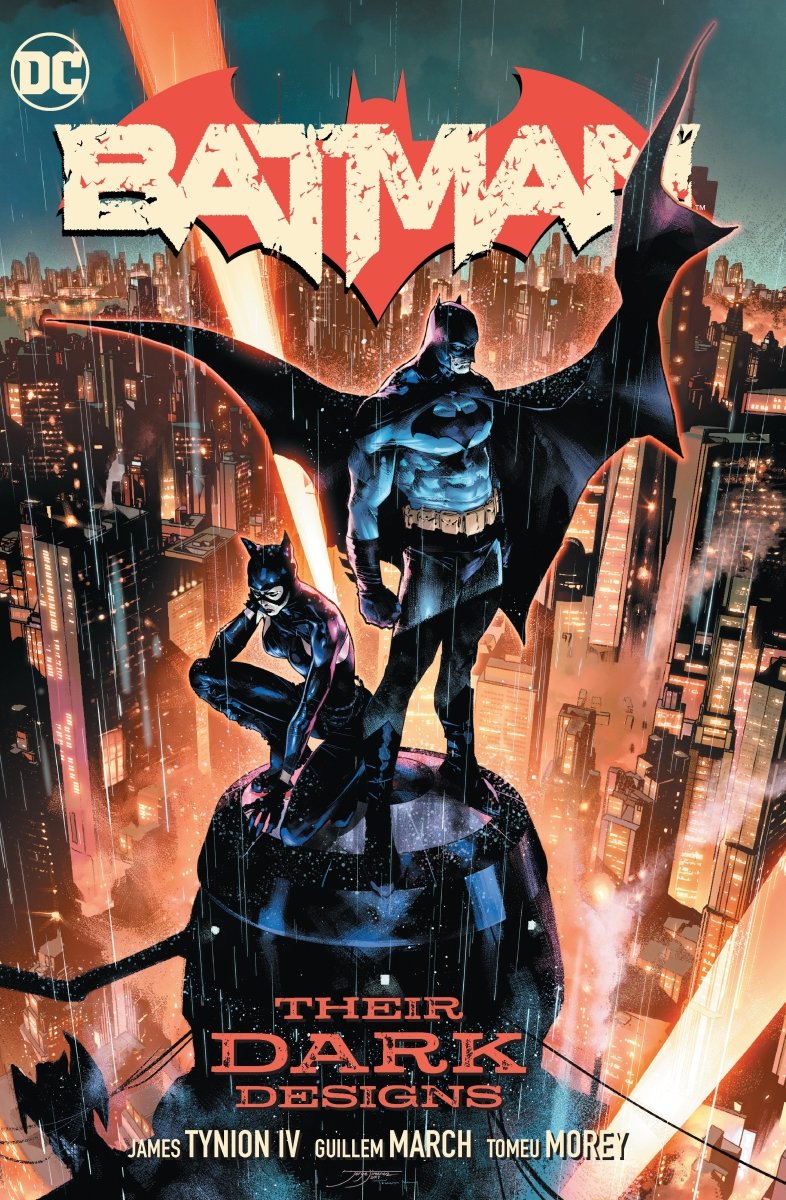
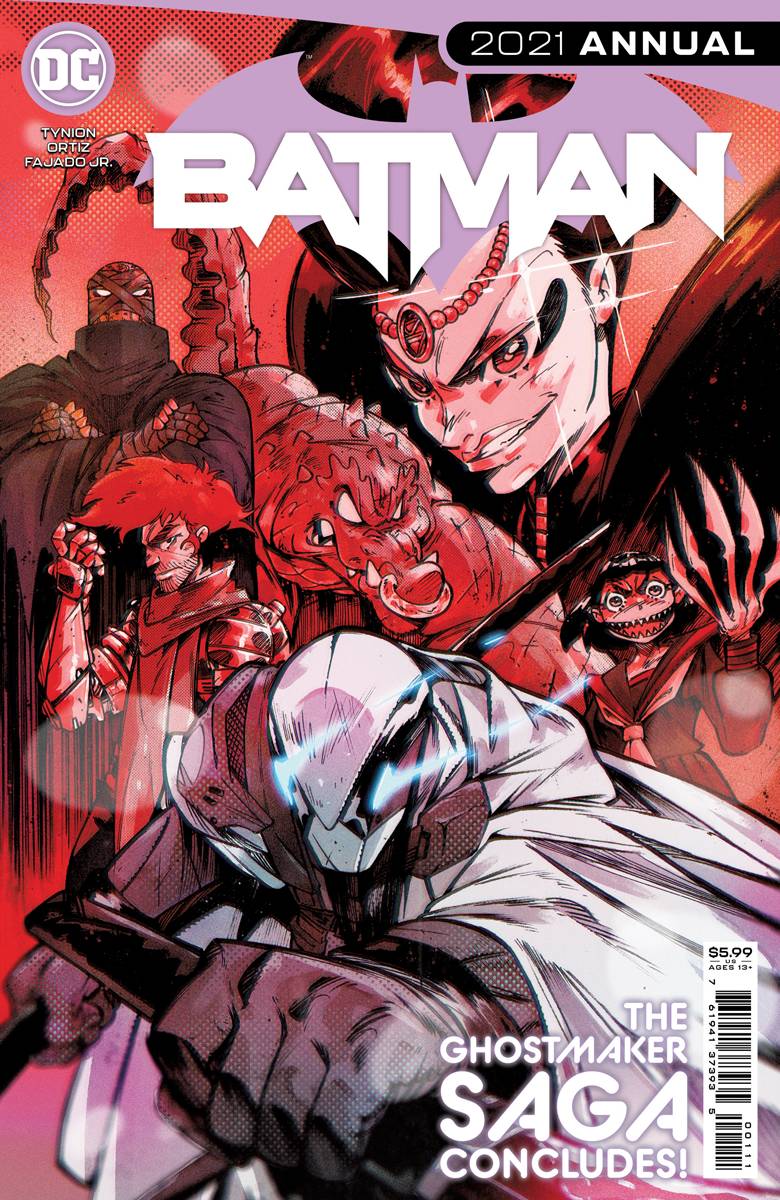
- James Tynion IV: Their Dark Designs, The Joker War, Fear State
- Chip Zdarsky: Failsafe to The Dying City
- Batman by Fraction and Jiménez, into the Bad Seeds event
Out-of-continuity stories like The Dark Knight Returns, The Killing Joke, Arkham Asylum or White Knight can be read and enjoyed at any point.
Which Batman comic is the mainline story?
The mainline Batman story is the ongoing Batman book - at the moment, this is Fraction and Jiménez’s Batman run under DC All In. Detective Comics runs alongside the mainline story, sometimes crossing over but can most often be read independently too. Absolute Batman and DC Black Label stories are not mainline - they occur in different universes.
What is the reading order for the Batman Graphic Novel Collection?
The reading order for the Batman graphic novel collection follows the publication order, run by run. You could go with omnibus or trades (as they are being released - some periods aren’t covered yet!), oldest to newest:
Batman Omnibus Reading Order
- Batman: The Golden Age Omnibus: Vol. 1, Vol. 2, Vol. 3, Vol. 4
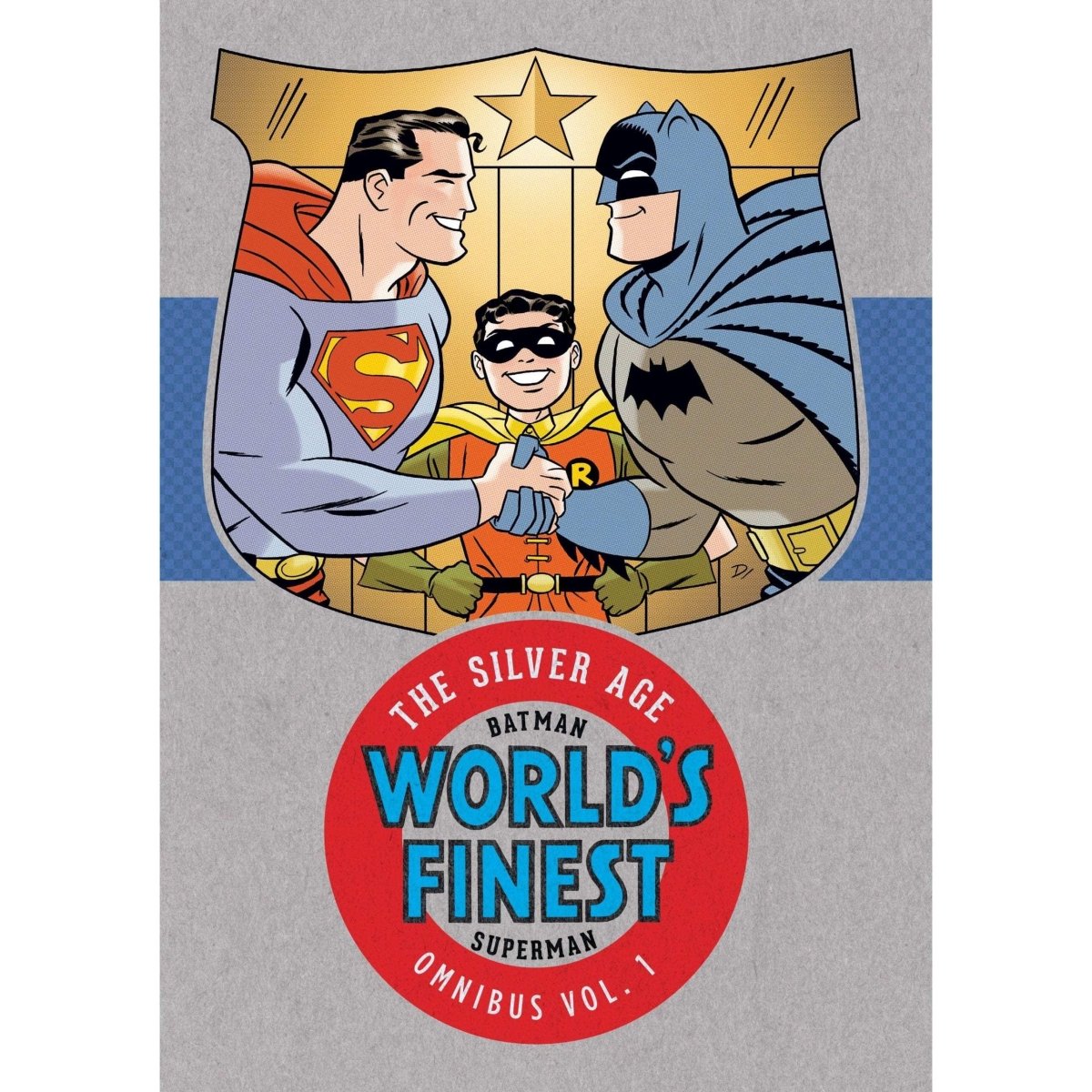
- Batman & Superman in World's Finest: The Silver Age Omnibus: Vol. 1, Vol. 2
- Batman: The Silver Age Omnibus: Vol. 1, Vol. 2
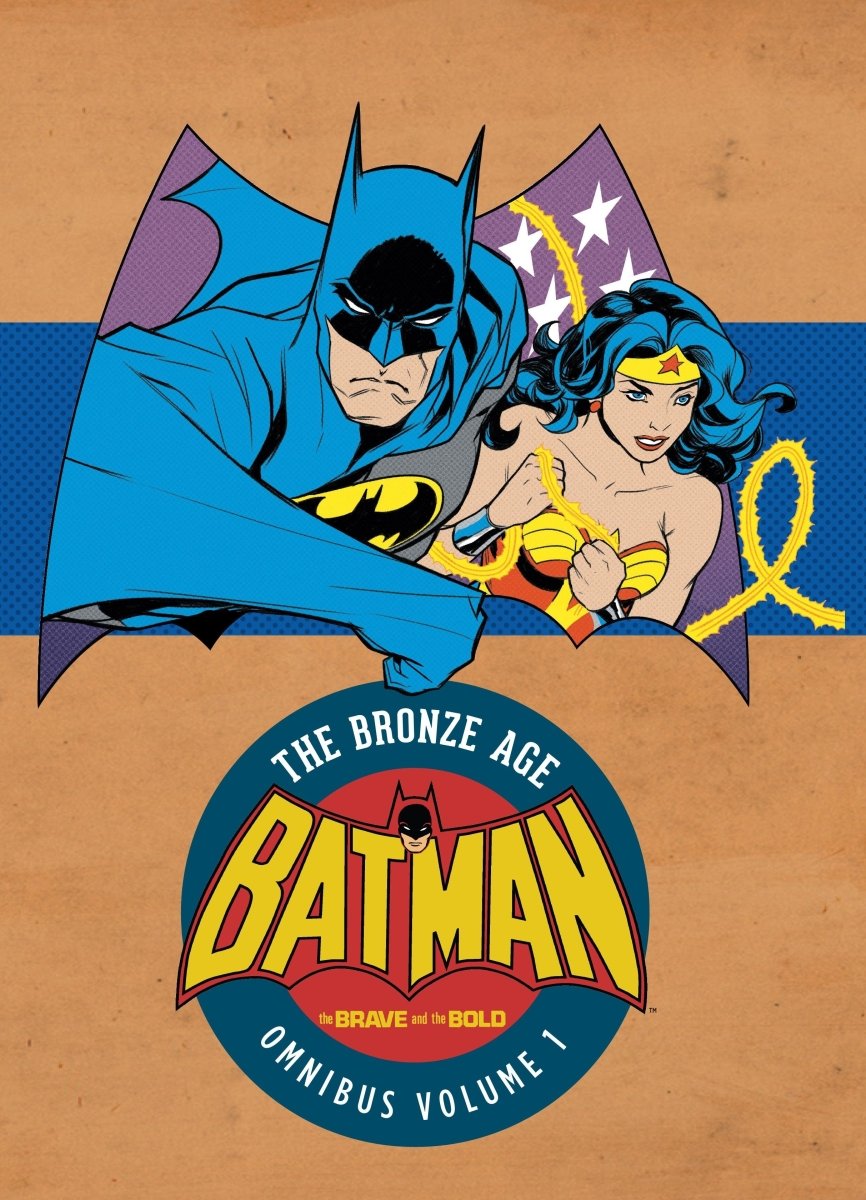
- Batman: The Bronze Age Omnibus: Vol. 1 (alternatively: DC Finest)
- Batman: Knightfall Omnibus: Vol. 1: Knightfall, Vol. 2: Knightquest, Vol. 3: KnightsEnd. Also available as a trilogy bundle.
- Batman: No Man's Land Omnibus: Vol. 1, Vol. 2. Also available as a trilogy bundle including Road to No Man's Land.
- Batman: Bruce Wayne – Murderer Turned Fugitive Omnibus
- Batman: The Hush Saga Omnibus
- Batman: War Games Omnibus
- Batman by Paul Dini Omnibus
- Batman by Grant Morrison Omnibus: Vol. 1, Vol. 2, Vol. 3
- Batman by Scott Snyder & Greg Capullo Omnibus: Vol. 1, Vol. 2
- Batman Eternal Omnibus
- Batman & Robin by Tomasi and Gleason Omnibus
- Batman: Detective Comics: The New 52 Omnibus: Vol. 1, Vol. 2
- Batman by Tom King Omnibus: Vol. 1, Vol. 2
- Batman by James Tynion IV Omnibus: Vol. 1, Vol. 2
- Batman: Detective Comics by Peter J. Tomasi Omnibus
- Batman: Detective Comics by Mariko Tamaki Omnibus
- Batman: Detective Comics by Ram V Omnibus: Standard Edition or Walt's Comic Shop Exclusive Cover
- Batman by Chip Zdarsky Omnibus: Vol. 1, Vol. 2, or Walt's Comic Shop Exclusive Vol. 1 with Signed Plate
- Batman: Bad Seeds – Streets of Gotham
Batman Stories You Can Read at Any Point
Independently of this reading order, you can read any of the following:
- Absolute Batman
- Elseworlds: Batman Omnibus
- Batman '66 Omnibus
- The Batman Adventures Omnibus
- Batman and Robin Adventures Omnibus
- Batman: Gotham Adventures Omnibus
- Batman: The Arkham Saga Omnibus
Who created Batman comics?
Bob Kane and Bill Finger created Batman comics in 1939. Batman first debuted in Detective Comics #27 (cover date May 1939). Kane pitched the idea, and Finger shaped the costume, the setting, and the origin. Sadly, the latter wasn’t credited for the longest time - only officially received co-creator credit in 2015.
Some other key co-creators of Batman comics include Jerry Robinson (created Robin, often credited with creating the Joker), Dick Sprang (1940s-50s defining artist), and the ghost artists for Bob Kane.
Who is the writer of the Batman comics?
Bill Finger wrote the first stories. Since then, many huge writers have worked on Batman comics: Denny O’Neil, Frank Miller, Alan Moore, Jeph Loeb, Grant Morrison, Scott Snyder, Tom King, James Tynion IV, Chip Zdarsky, Matt Fraction, etc.
Who is the artist of the Batman comics?
Bob Kane drew the first Batman comics, with ghost artists Jerry Robinson, Dick Sprang, and Sheldon Moldoff. Other defining artists include: Neal Adams, Jim Aparo, Norm Breyfogle, David Mazzucchelli, Frank Miller, Brian Bolland, Tim Sale, Greg Capullo, David Finch, Mikel Janín, Mitch Gerads, Jorge Jiménez, Nick Dragotta.
Who publishes Batman comics?
DC Comics publishes Batman comics, and they have been doing it since 1939. The company is owned by Warner Bros. Discovery. Mature stories, however, appear under a special DC Black Label imprint.
Is Batman Marvel or DC?
Batman belongs to DC Comics, not Marvel. He is one of the flagship characters for the company, belongs to their “Trinity” alongside Superman and Wonder Woman, and is the founding member of the Justice League. Batman comics are usually the best-selling ones, and members of the Bat-Family often have their own comics (e.g., Nightwing, Batgirl, etc.)
When was the first Batman comic released?
The first Batman comic was Detective Comics #27, cover-dated May 1939. Batman received his own series on April 24, 1940, with Batman #1. This issue introduced Joker and Catwoman.
What is the publication history of Batman comics?
The publication history of Batman comics is best examined through milestone years:
- 1939: Batman debuts in Detective Comics #27
- 1940: Batman #1 launches as a quarterly series, which is later changed to bimonthly, then monthly
- 1964: Julius Schwartz (editor) proposes a “New Look” that saves the sales from a slump
- 1986-1987: The Dark Knight Returns and Year One redefine Batman after Crisis on Infinite Earths reset the DC Universe
- 1989: Tim Burton releases his Batman film, sparking “The Year of the Bat” - at this moment, Batman briefly outsells Uncanny X-Men
- 2011: volume 1 ends at #713 and the New 52 relaunches Batman at #1
- 2016: DC Rebirth relaunches Batman with #1 again, running the title twice-monthly now
- 2024: Absolute Universe launches with Absolute Batman
- 2025: volume 4 of Batman is launched under DC All In
What are the different eras of Batman comics?
Batman comics could be split into different eras depending on their years:
- Golden Age - 1939-1956 - pure pulp fiction, Joker, Robin, Catwoman introduced
- Silver Age / New Look - 1956-1970 - sci-fi and very campy
- Bronze Age - 1970-1985 - O’Neil/Adams redefine Batman, Ra’s al Ghul is introduced and Joker becomes murderous again
- Modern (post-Crisis) - 1986-2011 - Most iconic stories: Year One, Knightfall, Hush, Morrison’s run
- New 52 - 2011-2016 - Snyder/Capullo run (Court of the Owls, Zero Year, Endgame)
- Rebirth / Infinite Frontier - 2016-2024 - Tom King, James Tynion IV, Chip Zdarsky write an introspective Batman
- DC All In / Absolute - 2024-ongoing - Matt Fraction returns back to brighter, more action-packed Batman, while Snyder reexamines Batman through Absolute universe
What Batman comic series are there?
Due to the character’s popularity, there are many Batman comic series to read. Current ongoing series include:
- Batman: four volumes exist
- Detective Comics: passed #1000 in 2019
- Absolute Batman: alternate universe take
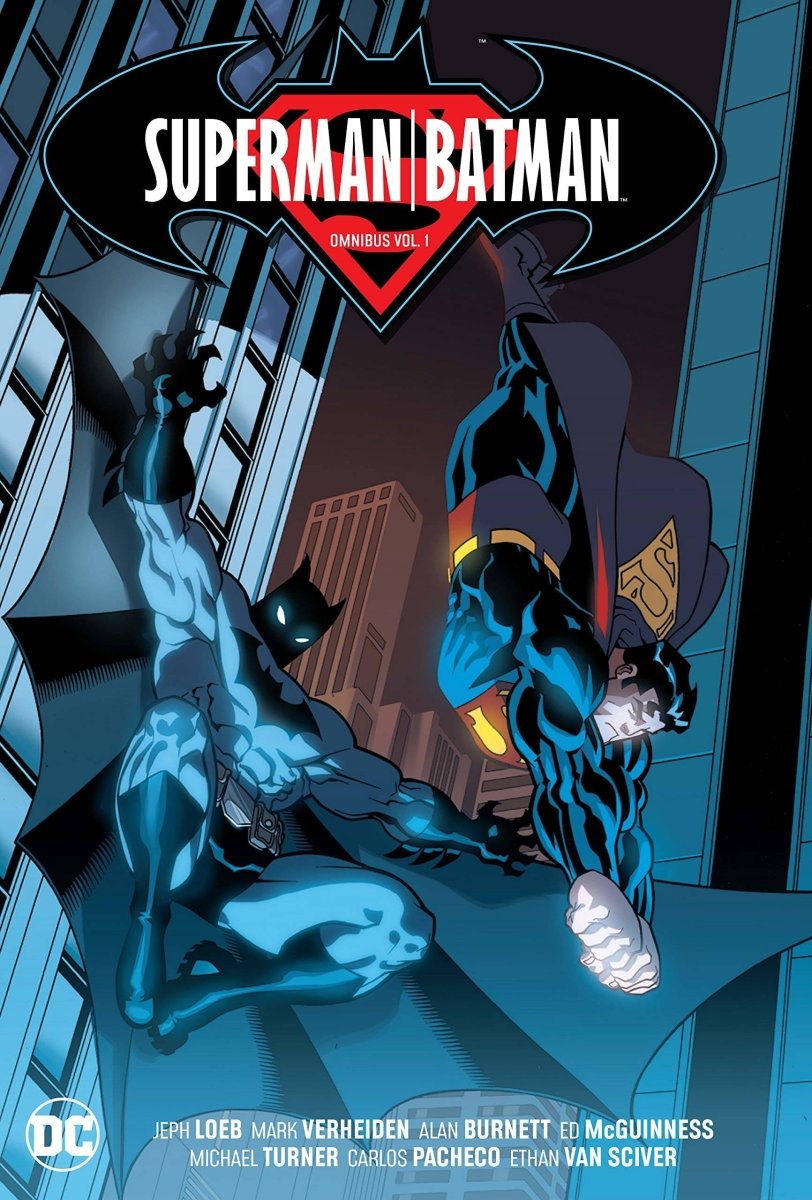
- Batman/Superman: World’s Finest: showcases the characters’ friendship and adventures
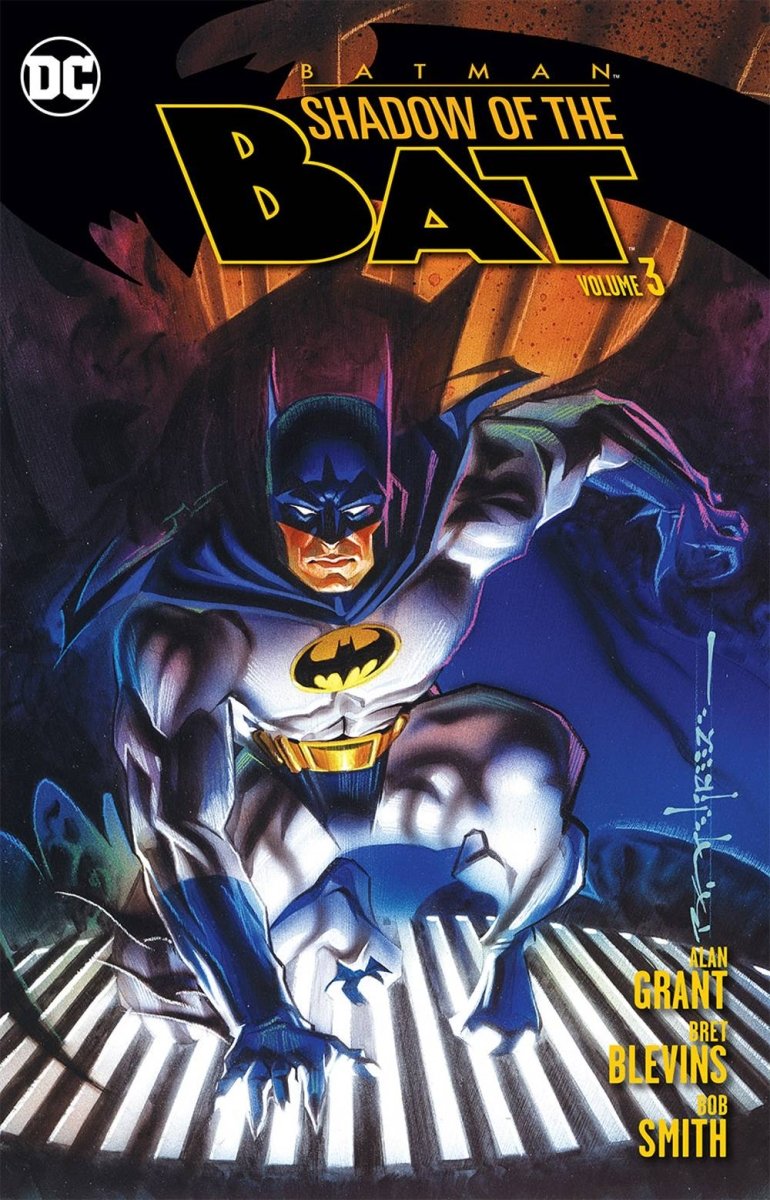
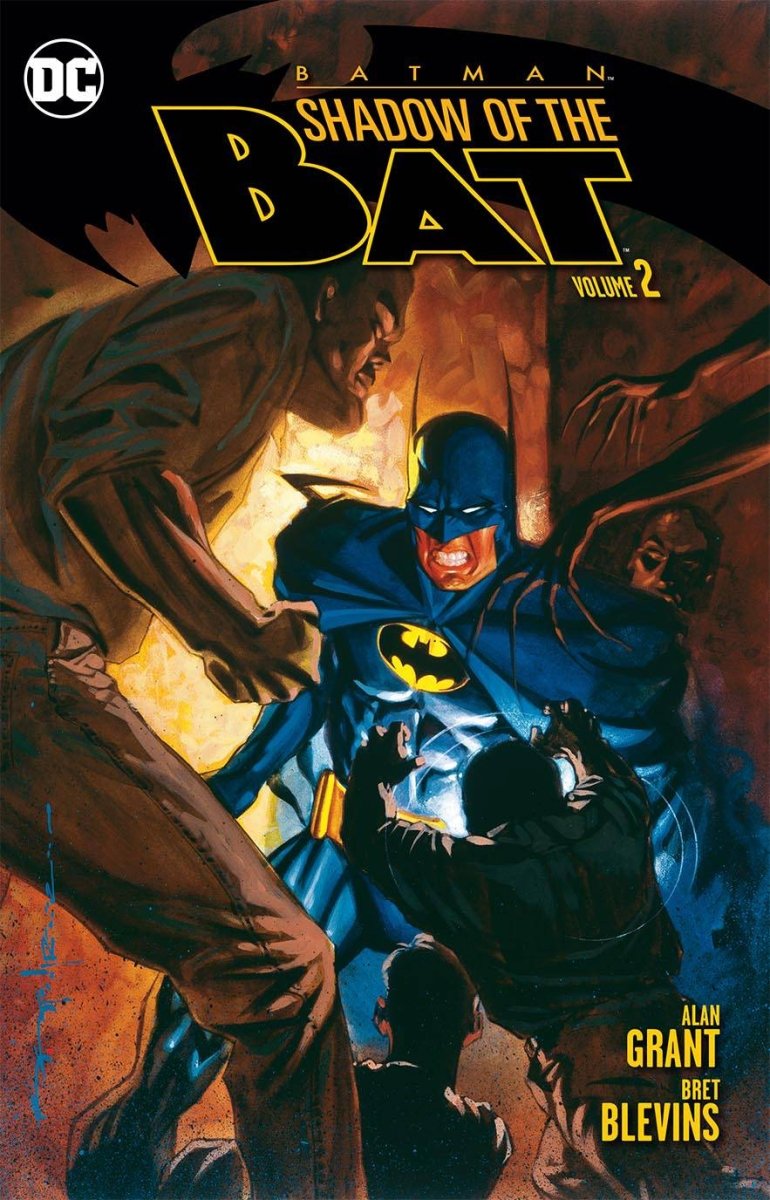
Earlier Batman comic series include Legends of the Dark Knight, Shadow of the Bat, Batman and Robin, Batman Incorporated, Batman Confidential, Batman Beyond, Batman: The Brave and the Bold, and more.
How many Batman comics are there?
The Batman series has around 950 issues across the four volumes, plus annuals and specials. Detective Comics adds over 1000 more. If you include all spin-offs, crossovers, etc., there are thousands of Batman comics. The actual number is unknown.
How many Absolute Batman comics are there?
There are only 25 regular Absolute Batman comics as of October 2026, when the milestone #25 came out. There have been a couple of annuals and one-shots that complete the story.
Are Batman comics still going?
Yes, Batman comics are still going. Matt Fraction and Jorge Jiménez are currently working on the fourth volume. Other ongoing Batman comics are Detective Comics, Absolute Batman, and Batman/Superman: World’s Finest.
What is the latest Batman comic?
As of October 2026, the latest Batman comic is as follows:
- Batman (vol. 4) #14
- Detective Comics #1114
- Absolute Batman #25
- Batman/Superman: World’s Finest #56
What versions of Batman are there in comics?
There are dozens of versions of Batman in the comics. Some are mainline universe versions where other characters wore the cowl, while some are alternate universe versions of Batman:
- Bruce Wayne is the standard Batman
- Dick Grayson, Jean-Paul Valley, and Jim Gordon all wore the costume at some point
- Absolute Batman is the working-class towering giant
- Batman Beyond is Terry McGinnis, a future teenage Batman
- The Dark Knight Returns Batman is old, brutal, and retired Batman
- Thomas Wayne Batman is from the Flashpoint universe where Bruce died, but his dad survived
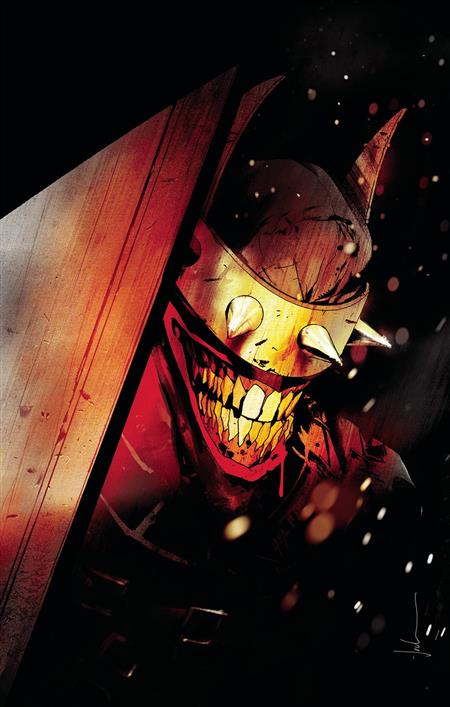
- The Batman Who Laughs is the Dark Nights: Metal Batman who was infected by Joker
- Gotham by Gaslight is a Victorian-era Batman fighting Jack the Ripper
- Batman: Earth One and White Knight both offer grounded reboot takes
- Batman of Zur-En-Arrh is the brutal backup personality of mainline Batman
How strong is Batman in comics?
Batman doesn’t have superhuman powers or strength in the comics. However, he does have the elusive “peak-human athlete” strength and skills. He has mastered dozens of martial arts; he is a genius-level strategist and detective and has an almost limitless supply of money and gadgets. Fans often joke that his real super-power is preparation: Batman has a contingency for everyone, and “Batman with prep time” can defeat anything in the universe.
Who is the strongest version of Batman?
The Batman Who Laughs is often considered the strongest version of Batman, because this is a Bruce Wayne with all his skills and resources but no moral lines - and the one version who has Joker’s goals. Furthermore, in Dark Nights: Death Metal, he gained the cosmic powers of Dr. Manhattan.
Who is considered the greatest Batman?
Bruce Wayne is considered the greatest Batman. Dick Grayson is a fan-favorite alternative for the mantle because he brings light into the brooding darkness of the character. On screen, Kevin Conroy (the voice behind Batman: The Animated Series and many Arkham games) is considered the greatest Batman. Live-action depends on opinions, though Christian Bale, Michael Keaton, and Robert Pattinson seem to be fan favorites.
Which Batman comics are valuable?
The most valuable Batman comics are the Golden Age first appearances of different characters, as well as Detective Comics #27 and Batman #1. In the first appearances, we can include the following:
- Detective Comics #38 - Robin
- Batman #62 - Catwoman origin
- Batman #181 - Poison Ivy
- Batman #232 - Ra’s al Ghul
- Batman #357 - Jason Todd
- Batman Adventures #12 - Harley Quinn
- Absolute Batman #1
What is the rarest Batman comic?
The rarest Batman comic is Detective Comics #27, which is Batman’s first appearance. This is especially true in high, unrestored grades. Batman #1 is also considered a holy grail, with only one copy having a CGC 9.4 grade as the highest.
How much is a Batman #1 comic book worth?
Batman #1 could be worth anything from tens of thousands of dollars to up to $2.22 million if near-mint. CGC 9.4 sold for $2,220,000 in 2021, while CGC 9.2 sold for $567,625 in 2012.
Why is Batman #1 so valuable?
Batman #1 is so valuable because it introduces the Joker and Catwoman, which are Batman’s most famous foes, in a single issue. This was also the first issue of Batman’s solo series, and the second DC solo superhero after Superman. Because of WWII, few copies survived wartime paper drives in good condition.
How much is Batman #62 worth?
Batman #62 is worth anything from $750 in Good to $24,000 in Near Mint condition, per QualityComix’s guide. The record sale for the issue is $69,000, while CGC 3.5 - 5.0 sellers ask for $1,000 - $3,500 dollars. This issue tells the origin of Catwoman and reveals her to be Selina Kyle, and thus has this value.
Are Batman comics from the 90s worth anything?
Most Batman comics from the 90s are only worth a couple of dollars. There was a speculator boom during this time, so events like Knightfall sold millions of copies. There are a couple of noted exceptions to look out for:
- Batman Adventures #12: first Harley Quinn in comics
- Batman #497: Bane breaks Batman’s back
- Batman: The Long Halloween #1
In which other media does Batman appear?
Batman has appeared in films, live-action and animated TV, video games, and novels. He is one of the most popular superheroes to adapt in other forms, and one of the most recognizable ones. Adaptations include:
- More recent and upcoming films: The Batman (2022), The Batman Part II, The Brave and the Bold
- Film: Nolan’s Dark Knight trilogy, Burton/Schumacher films, Batman (1966), Snyder’s DCEU films
- Animation: Batman: The Animated Series, Mask of the Phantasm, Batman Beyond, Batman: Caped Crusader
- Live-action: Batman (1966-1968), Gotham (2014-2019)
- Games: Batman: Arkham series, Batman Telltale Game, Gotham Knights, Injustice
Which comic book source material is the film "The Batman" based on?
The Batman (2022) is based mainly on Batman: Year One, The Long Halloween, and Batman: Ego. These books were cited as influential by the director Matt Reeves. Just like these first two stories, the film shows Batman early in his career and the Riddler attacking Gotham echoes Zero Year. Bruce’s guilt over his family’s legacy is examined in Ego.
In what order should you watch Batman films?
Batman films should be watched in the release order within each continuity. Keep in mind that not all films are connected, nor are the characters the same across every film:
- Classic: Batman (1966)
- Burton/Schumacher: Batman (1989), Batman Returns (1992), Batman Forever (1995), Batman & Robin (1997)
- Nolan Trilogy: Batman Begins (2005), The Dark Knight (2008), The Dark Knight Rises (2012)
- Snyder DCEU: Batman v Superman (2016), Justice League (2017) - or Snyder’s cut from 2021, The Flash (2023)
- Reeves’ Batman: The Batman (2022), The Penguin (series, 2024), The Batman Part II (2028)
If you are a newcomer, then start with Batman Begins or The Batman.