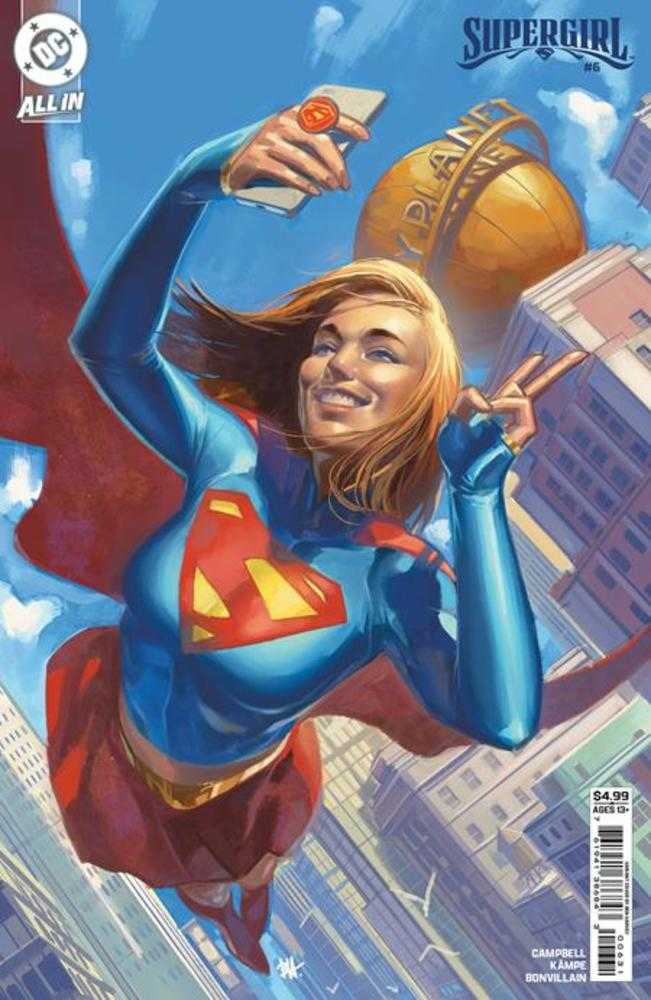
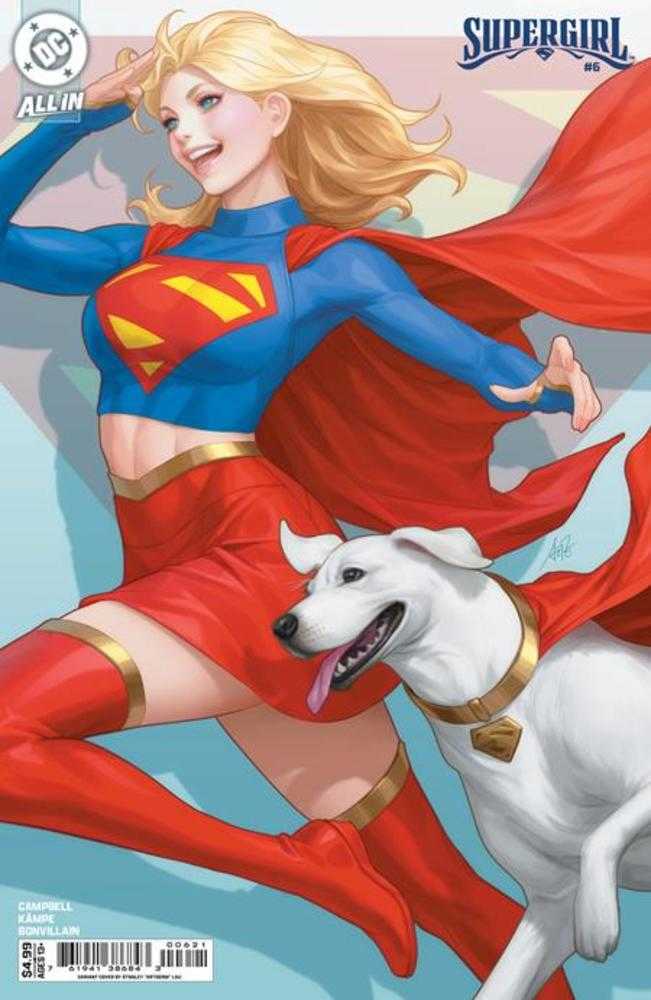
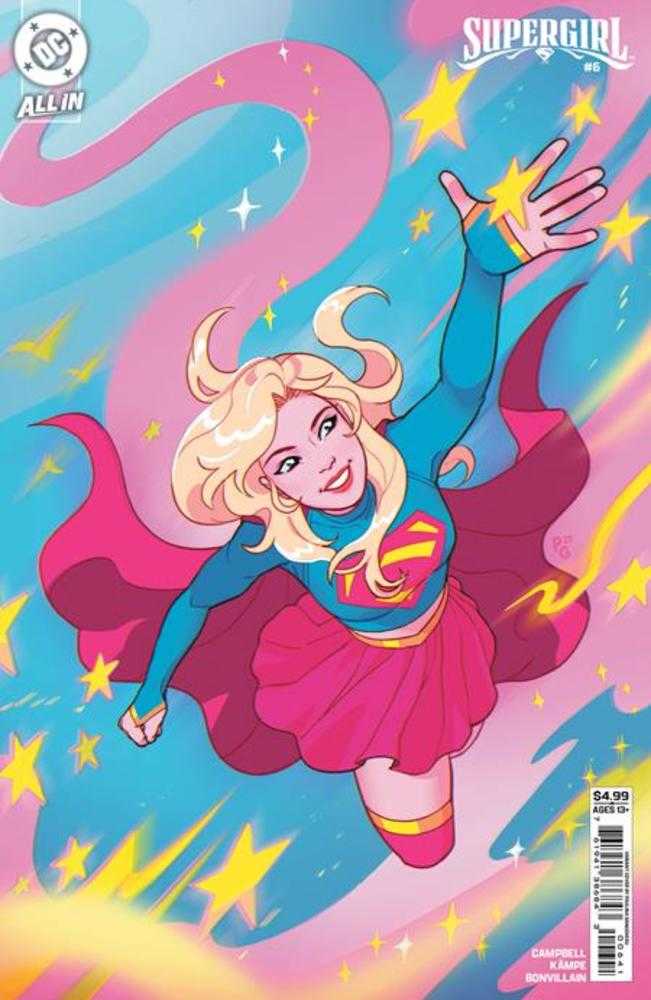
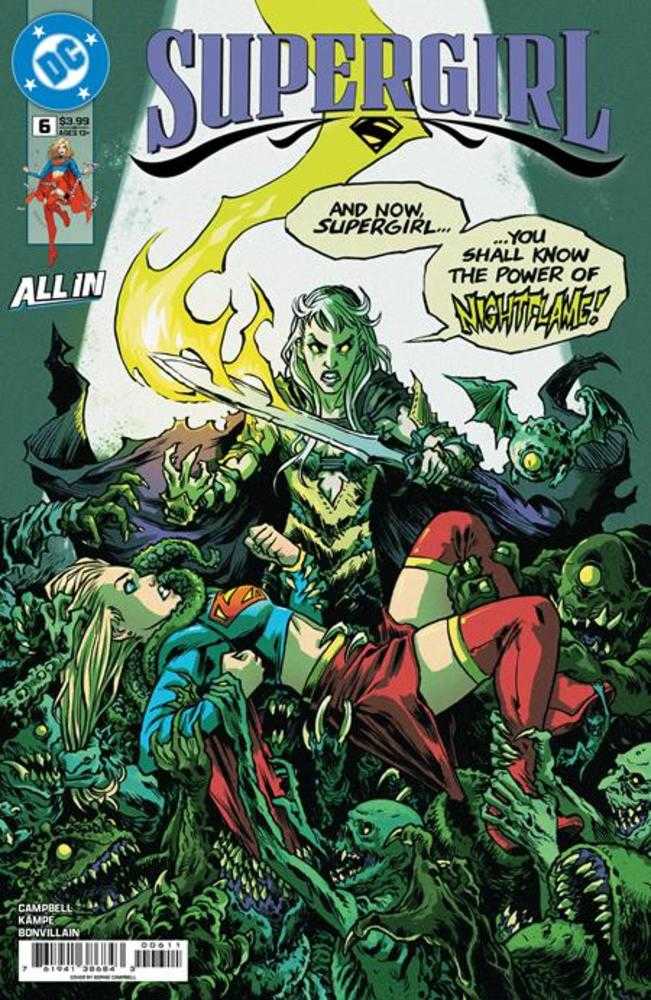
Supergirl Comics - Supergirl Comic Books
60 products
Showing 1 - 48 of 60 products
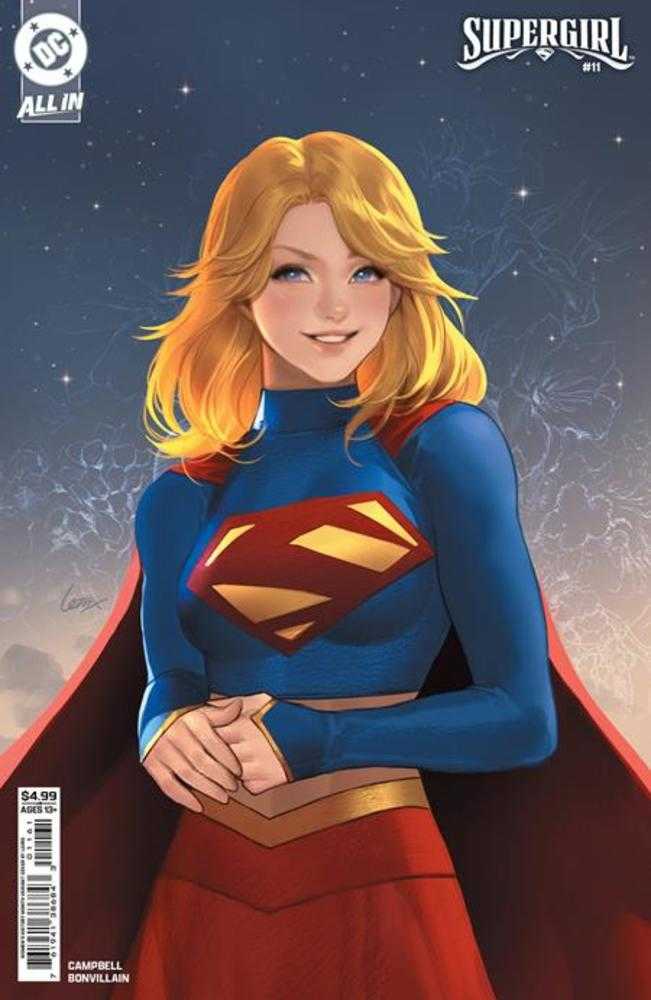
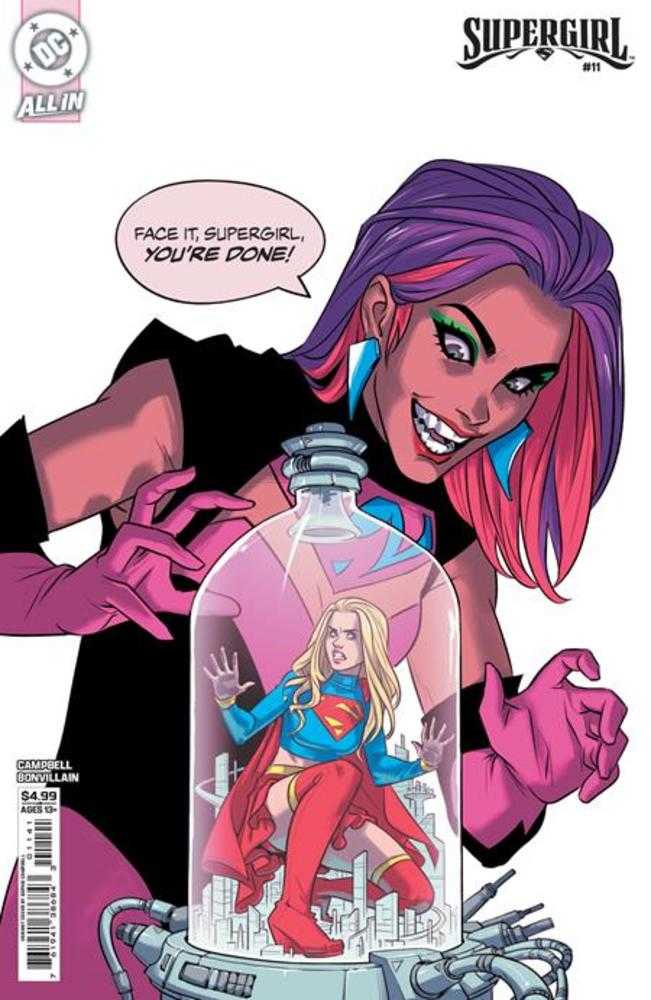
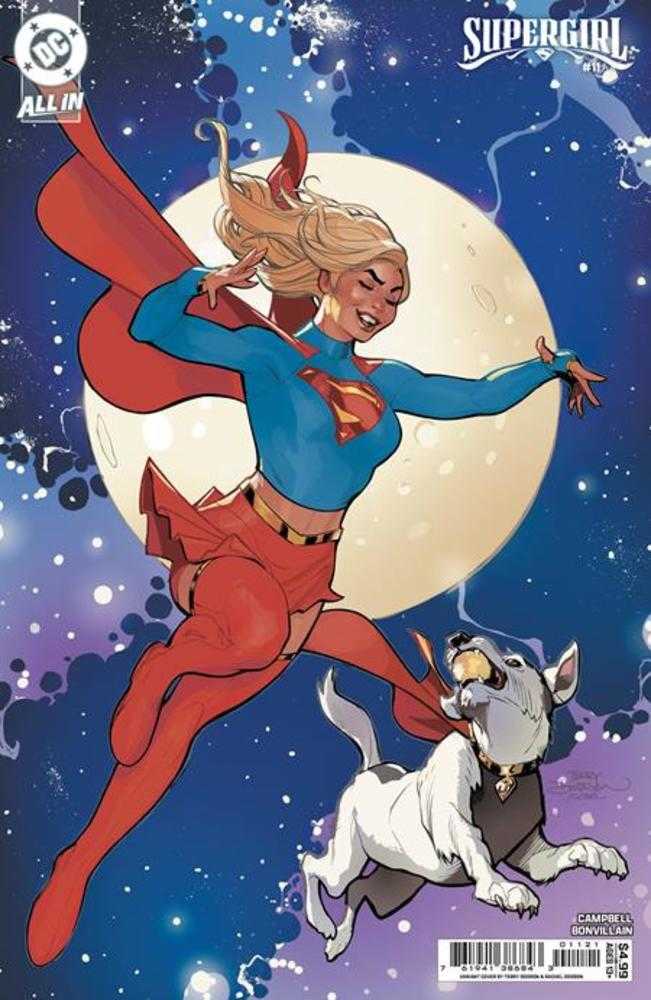
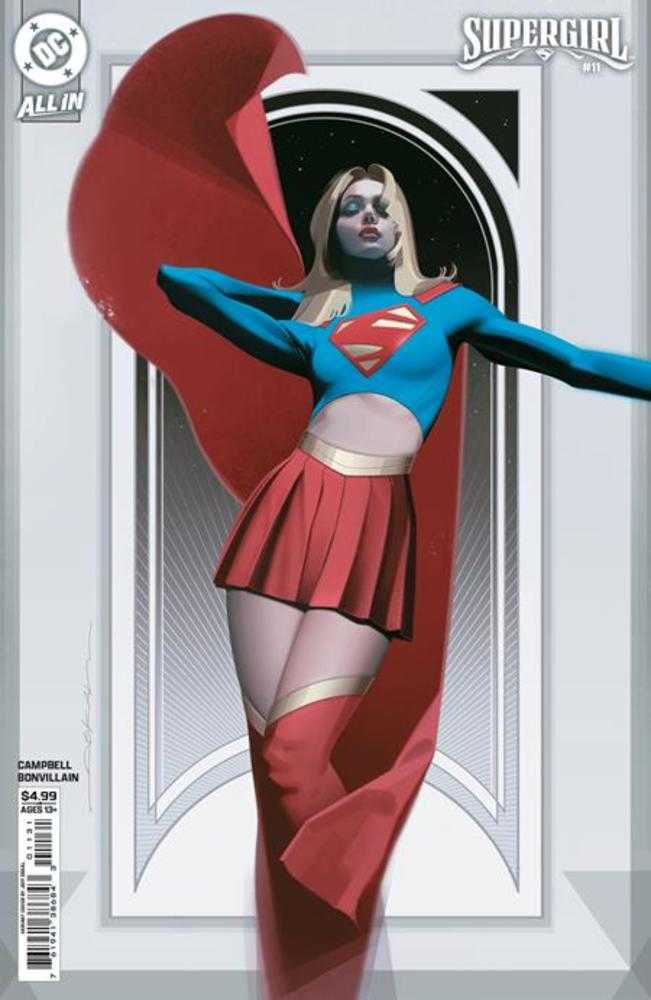
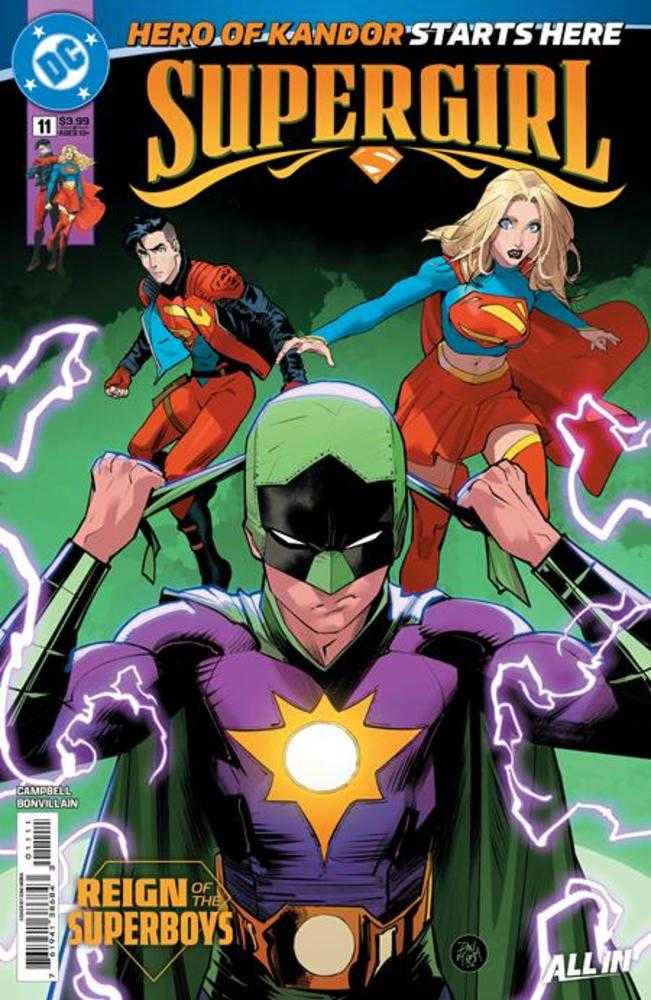
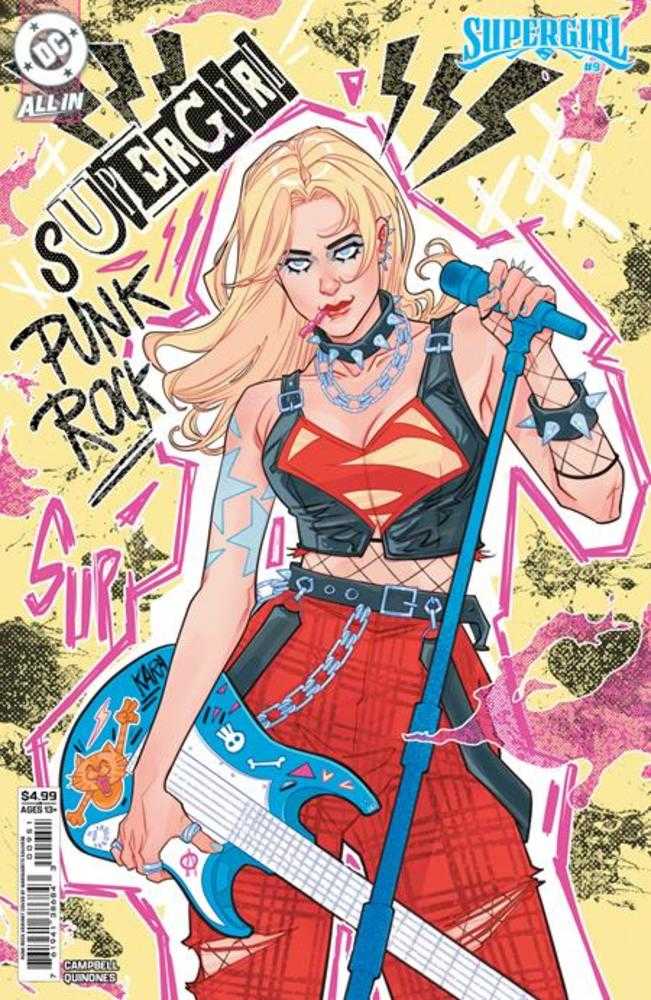
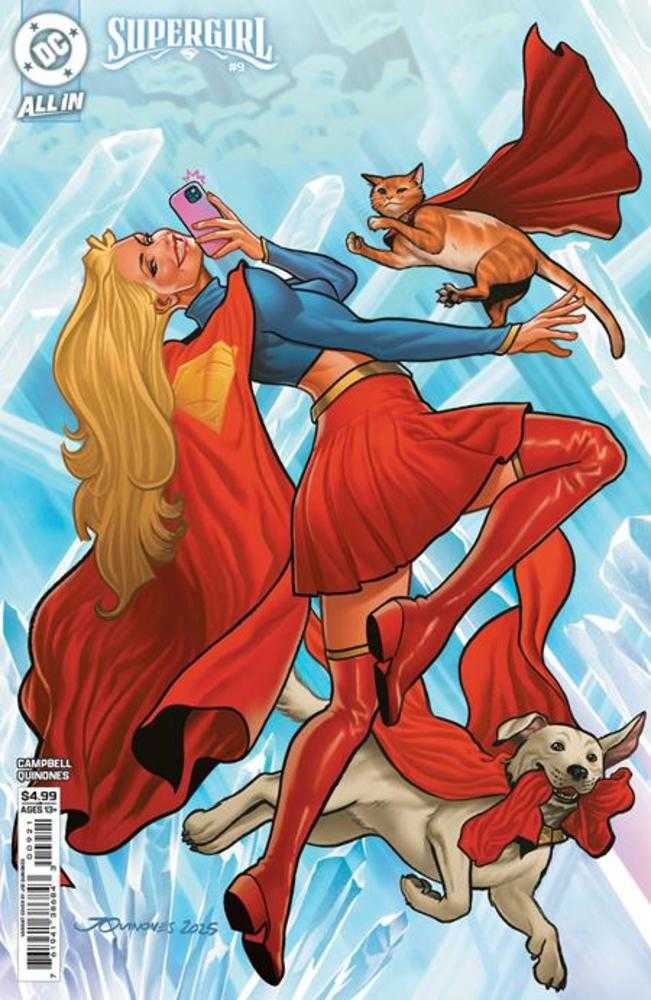
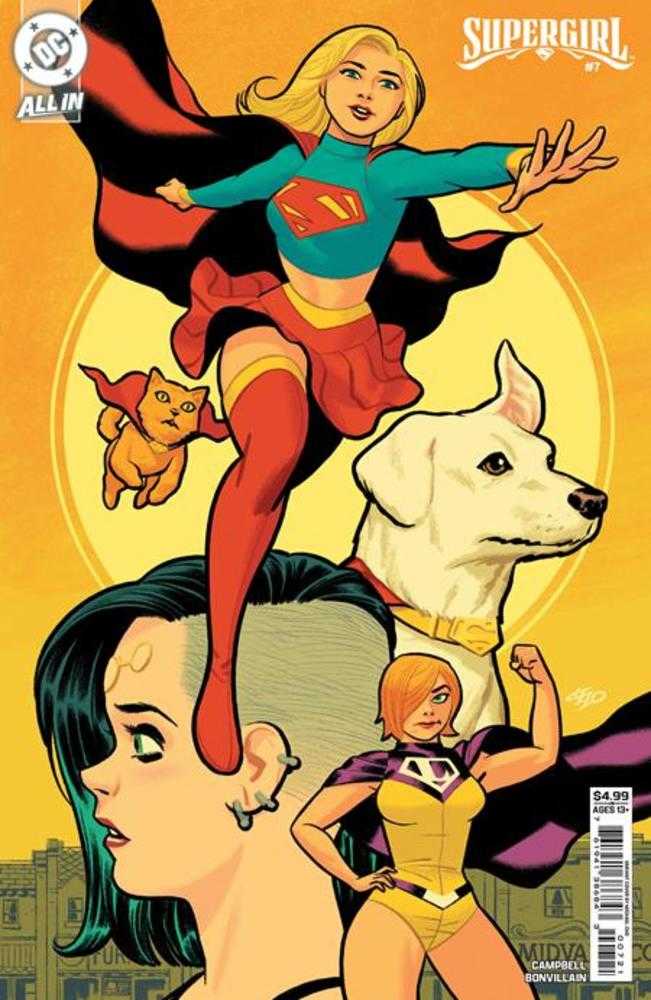
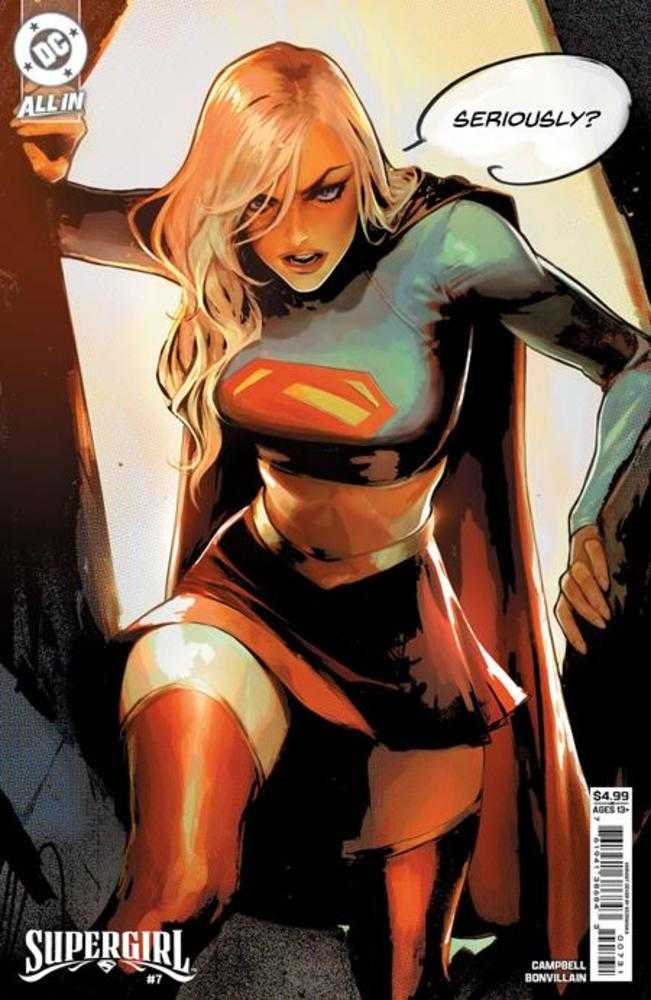
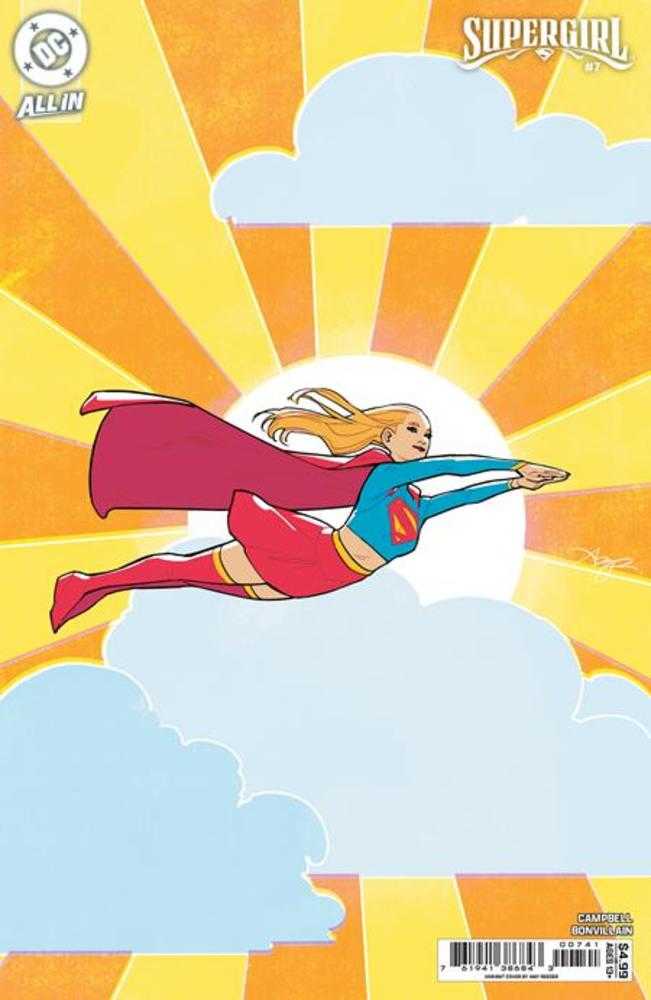
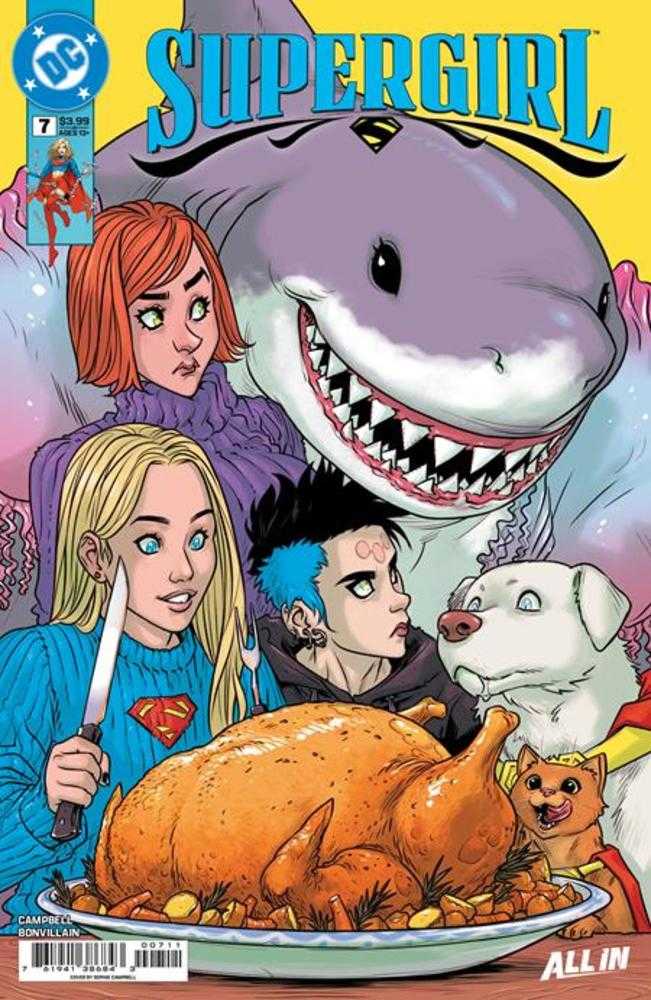
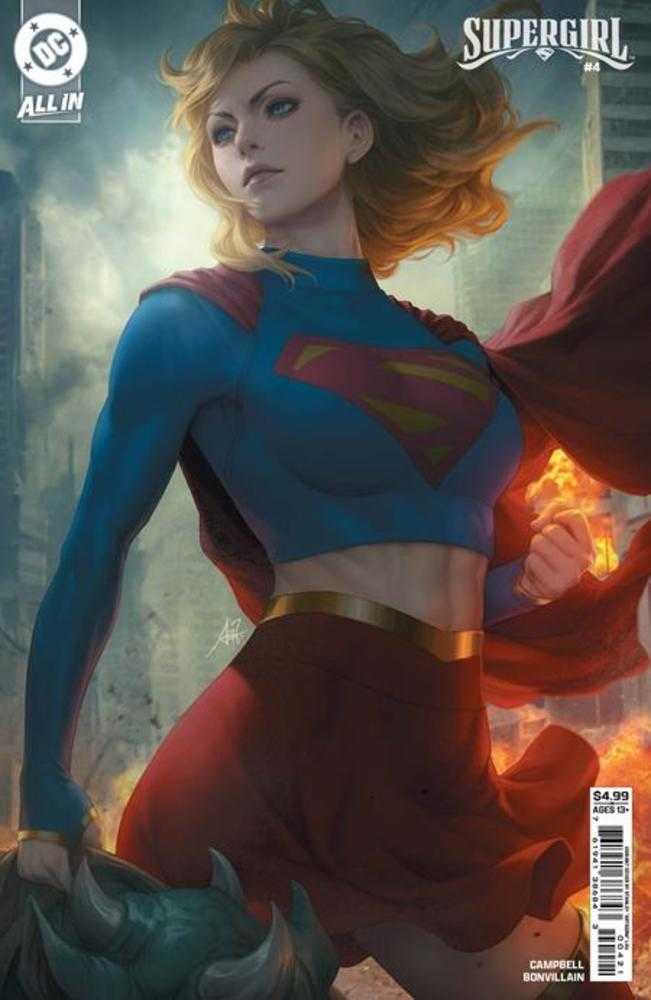
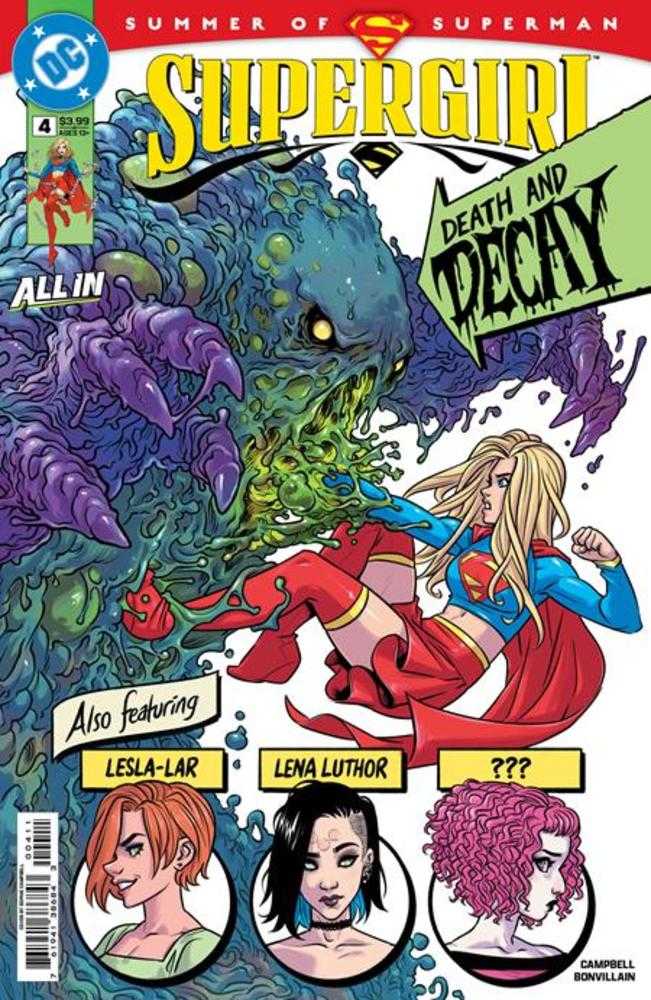
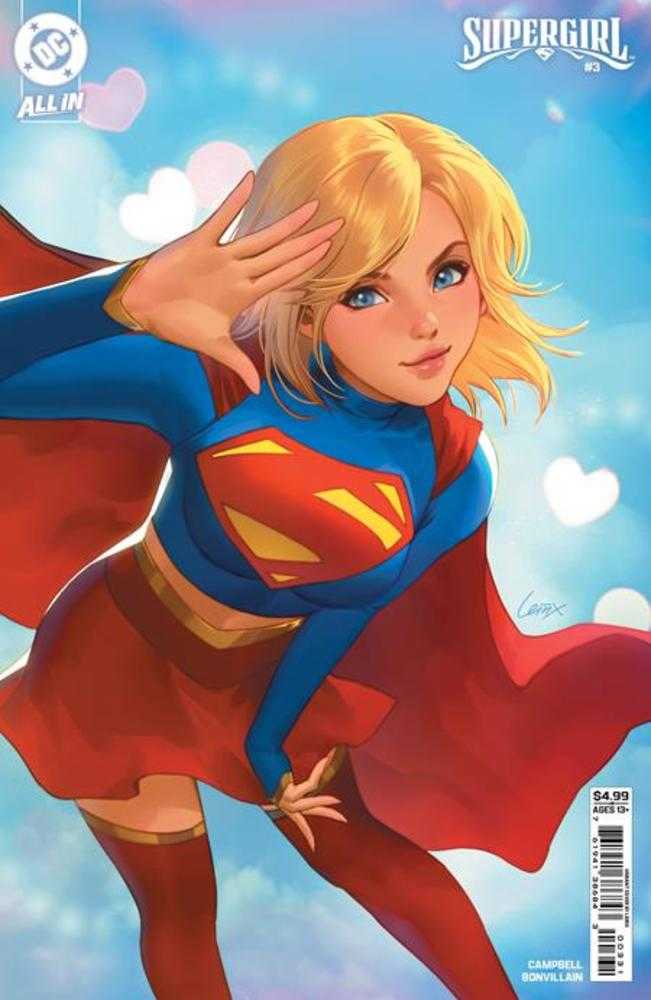
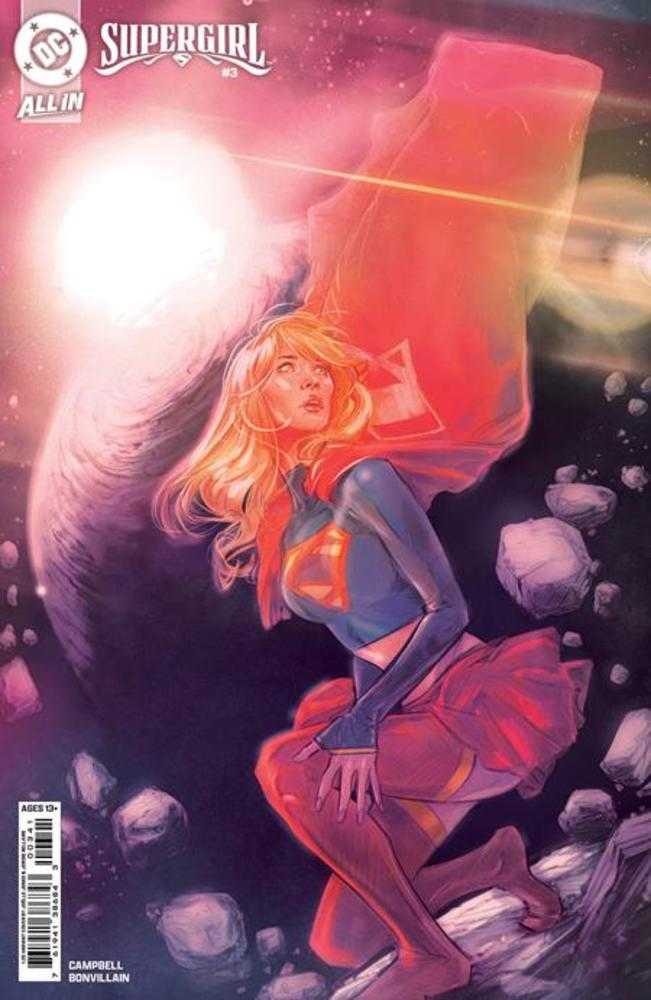
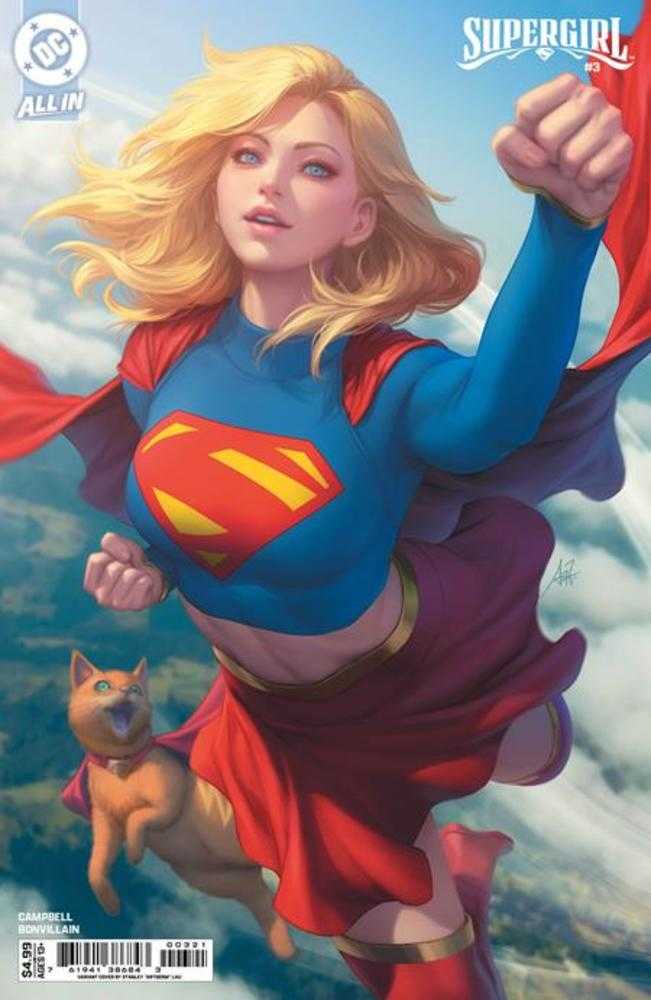
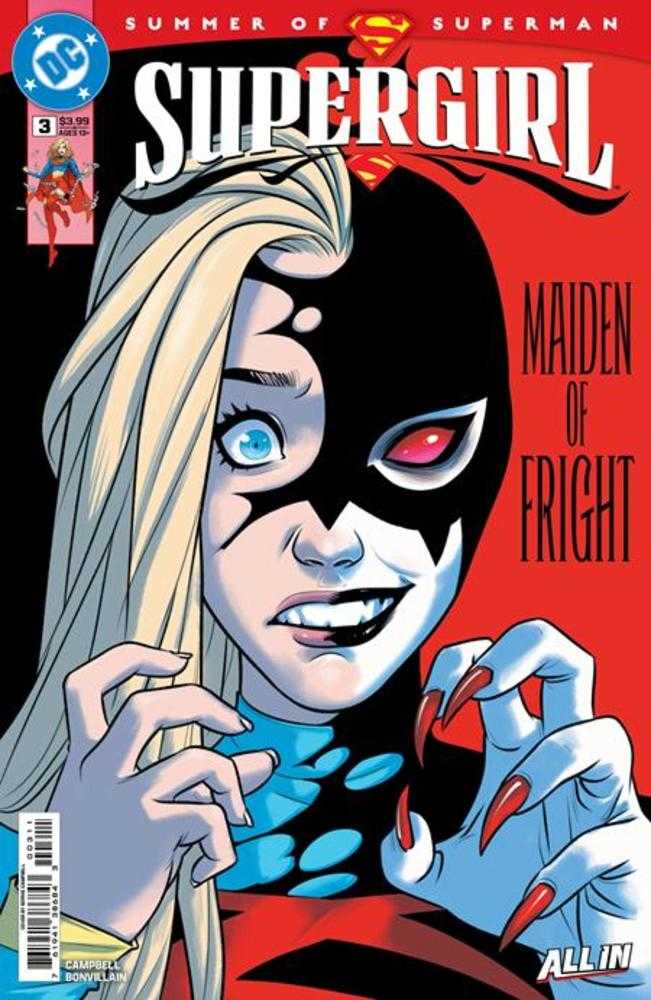
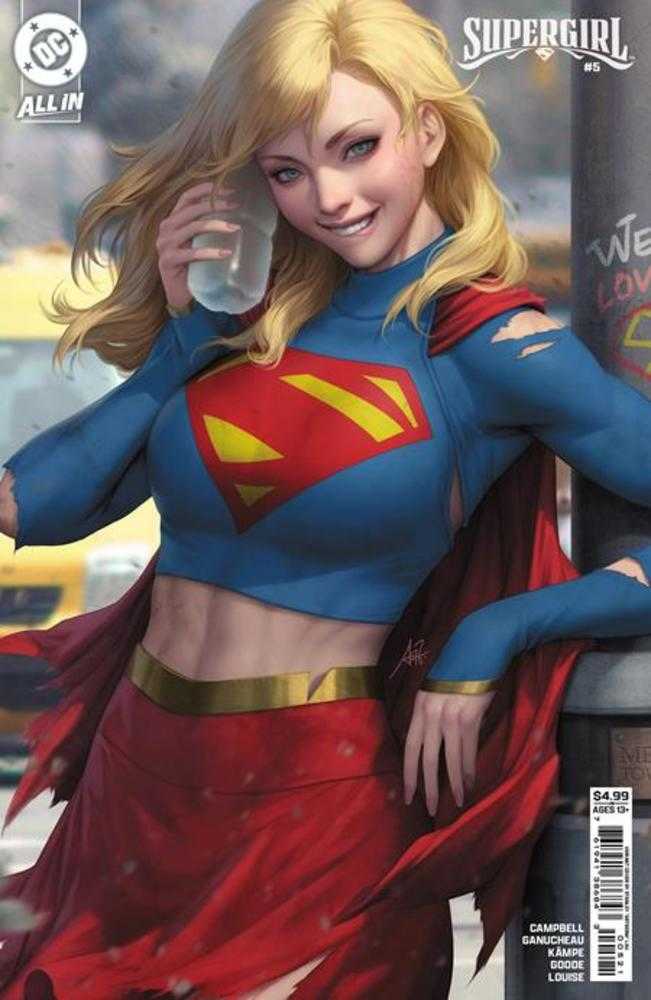
Supergirl comics are a superhero comic book series published by DC Comics featuring Kara Zor-El, a Kryptonian survivor and cousin of Superman. Supergirl comics follow her life on Earth as she balances being a powerful alien hero with adjusting to human society, her identity, and her sense of belonging.
Supergirl comics started as back-ups in Action Comics, with her first appearance being in Action Comics #252 in March 1959. Supergirl comics then began being published as a solo series in September of 1972 with Supergirl #1. Supergirl comics are action and coming-of-age books that can appeal to all ages and audiences, being especially popular with young women.

What is the plot of the Supergirl comics?
The core plot of Supergirl comics revolves around Kara Zor-El, who was sent from the doomed planet Krypton to Earth. Unlike Superman, she often arrives later and struggles more with adapting to Earth’s culture and emotional complexity. Supergirl comics typically focus on Kara learning what it means to be a hero independently of Superman while defending Earth from alien threats, Kryptonian remnants, and cosmic dangers, balancing her identity as both Kryptonian and Earth-adapted human. Supergirl comics often explore whether she is living in Superman’s shadow or forging her own legacy.
Who are the main characters in the Supergirl comics?
The main characters in Supergirl comics include:
- Kara Zor-El / Supergirl - the protagonist
- Clark Kent / Superman - her cousin and mentor figure
- Lena Luthor - ally or adversary, depending on continuity
- Brainiac – recurring cosmic threat tied to Krypton lore
Is Supergirl a hero or a villain?
Supergirl is primarily a hero in DC continuity. She is a member of the Kryptonian superhero lineage and is generally aligned with justice, truth, and the protection of Earth.
Who are the supporting characters in Supergirl comics?
The supporting characters in Supergirl comics include:
- Alura In-Ze - Kara’s mother from Krypton
- Zor-El - Kara’s father and Superman’s uncle
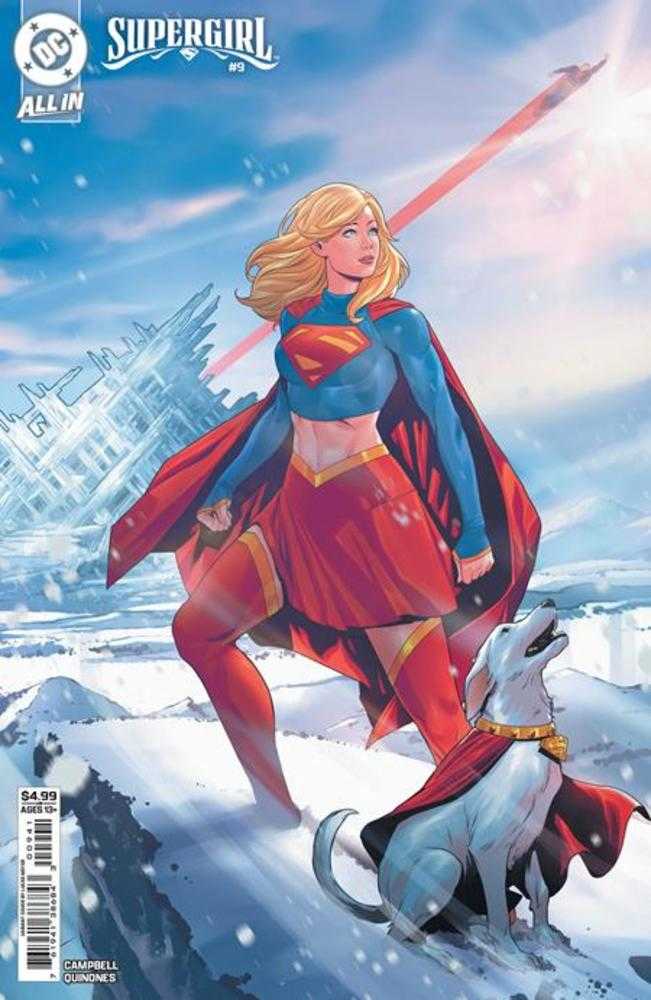
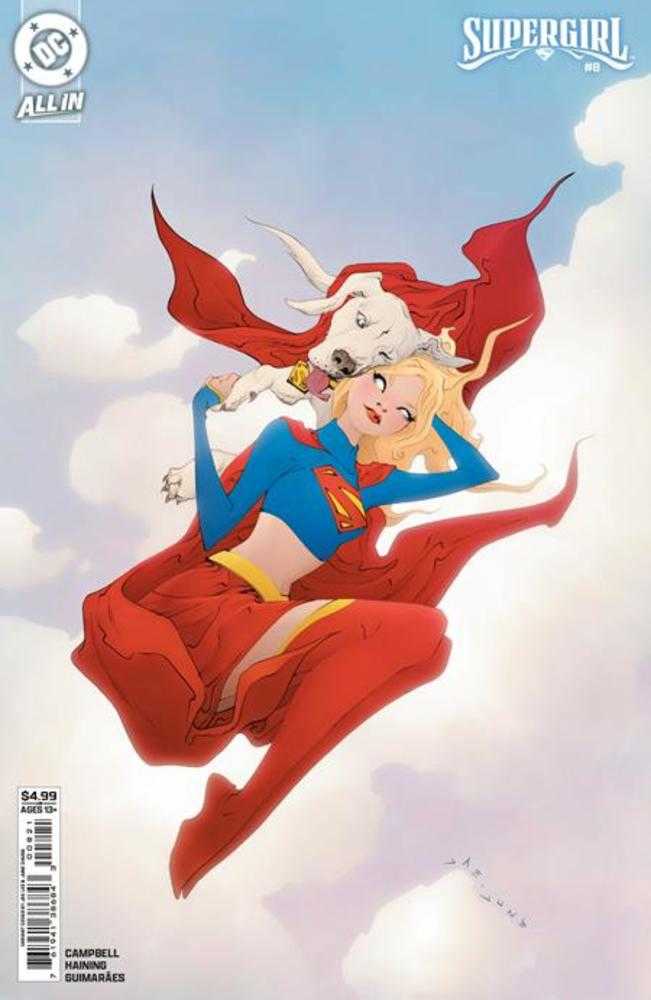
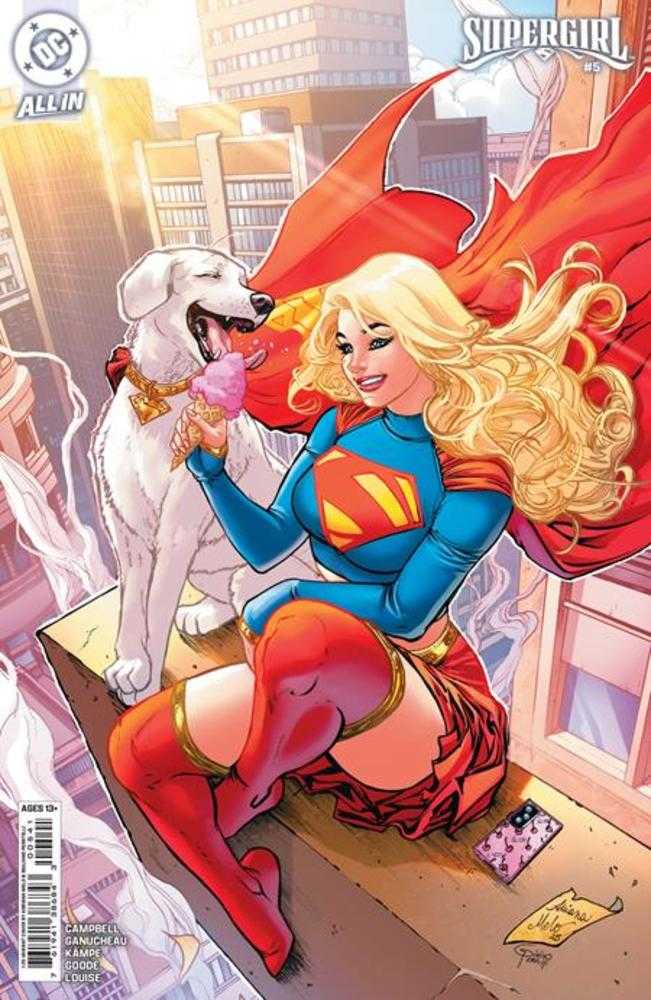
- Krypto - her Kryptonian dog
- Members of the Legion of Super-Heroes. (including Brainiac 5, Mon-El, Phantom Girl, Dream Girl, and Ultra Boy)
- Other supporting characters of the Superman books, like Lois Lane and Jimmy Olsen.
Who is Supergirl's love interest in the comics?
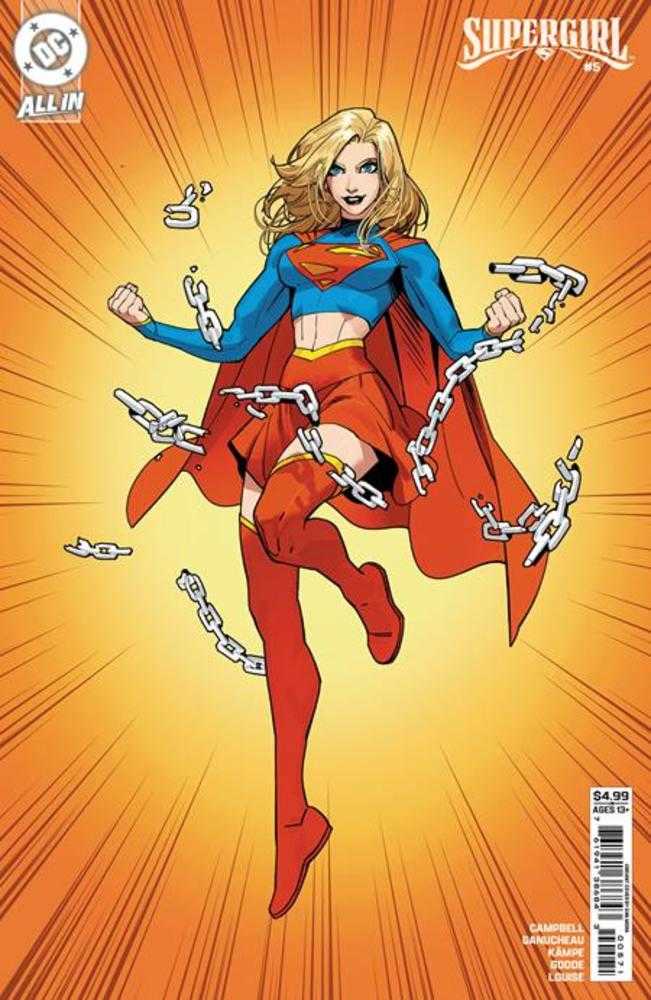
Supergirl doesn’t really have an iconic love interest like Lois Lane would be for her cousin Superman. Some partners over the years include Brainiac 5 of the Legion of Super-Heroes, Ben Rubel, and Power Boy.
Who are the main villains in Supergirl comics?
The main villains in Supergirl comics are Brainiac, Reactron, Silver Banshee, Lex Luthor, and Darkseid. Krem of the Yellow Hills was the main villain in the iconic Supergirl: Woman of Tomorrow. Supergirl shares many villains with her counterpart, Superman.
What are the themes of Supergirl comics?
Supergirl comics explore several recurring themes, like:
- Identity and independence - separating herself from Superman’s legacy
- Survival and displacement, like coping with Krypton’s destruction.
- Belonging, finding a place in human society
- Strength vs. vulnerability - balancing immense power with emotional growth
Unlike Superman, Kara’s stories often emphasize adaptation and emotional discovery.
Are there LGBTQ themes in Supergirl comics?
Yes, there are LGBTQ themes in Supergirl comics. While not always central, modern DC storytelling has included LGBTQ representation in Supergirl-related narratives and supporting cast members.
Who is LGBTQ in Supergirl?
Several supporting characters in the Supergirl comics are portrayed as LGBTQ. That includes Dolly Granger (In Mariko Tamaki’s Being Super), Maggie Sawyer, and Maxima. Kara Zor-El herself is portrayed as a lesbian in a relationship with Lois Lane in the alternate DC Bombshells universe.
Is Supergirl straight in comics?
Yes, Kara Zor-El Supergirl has been primarily depicted as heterosexual in most mainstream continuity.
How to read Supergirl comics?
Supergirl comics do not have a single uninterrupted storyline like some independent series. Instead, she appears across multiple DC reboots and team books.
You can check out a complete reading guide on Supergirl in our Beyond The Panels blog.
Where to start reading Supergirl Comics?
Some of the best places to start reading Supergirl Comics include:
- Her original first appearance in Action Comics #252
- Supergirl by Jeph Loeb and Michael Turner, Kara's first modern Post-Crisis comic.
- The New 52 reboot solo-series, with a more action vibe.
- Mariko Tamaki’s Supergirl: Being Super YA Graphic Novel.
- The iconic Supergirl: Woman Of Tomorrow series by Tom King, Bilquis Evely, and Matheus Lopes.
What are the essential Supergirl comics to read?
The essential Supergirl comics to read include:
- Her original first appearance in Action Comics #252
- Supergirl by Peter David, an acclaimed different interpretation of the character, not being exactly Kara Danvers.
- The award-winning Supergirl: Woman Of Tomorrow by Tom King, Bilquis Evely, and Matheus Lopes.
You can check out a complete reading guide on Supergirl in our Beyond The Panels blog.
Who publishes Supergirl comics?
Supergirl comics are published by DC Comics, part of the broader DC Universe alongside Superman, Batman, and Wonder Woman.
What is the publication history of SuperGirl comics?
Supergirl comics’ publication history has gone through multiple reboots (Pre-Crisis, Post-Crisis, New 52, Rebirth), shifting between solo titles, team books, and crossover events, and being periodically reintroduced with altered origins. Supergirl comics' continuity is more fluid than Superman’s due to DC reboots. For example, Kara wasn’t reintroduced Post-crisis until 2004. Instead, Supergirl was Mae, a protoplasmic shape-shifting life form created by an alternate version of Lex Luthor that was later merged with teenager Linda Danvers
When was the first Supergirl comic released?
The first official Supergirl comic released was Supergirl #1 in 1972.
When was the first Supergirl appearance in comics?
Supergirl’s first appearance in comics was in Action Comics #252, published in 1959.
Who created Supergirl comics?
Supergirl comics were created by writer Otto Binder and artist Al Plastino.
What are the powers of Supergirl in the comics?
Supergirl's powers in the comics are nearly identical to Superman's, like superhuman strength, flight, invulnerability, heat vision, super breath, and enhanced senses. Her powers come from Earth’s yellow sun, which enhances Kryptonian physiology.
Who is more powerful, Superman or Supergirl?
In most DC continuity, Superman is generally portrayed as slightly more experienced and controlled than Supergirl, who can be equal in raw power but less trained in general. Power levels vary depending on the storyline and writer.
Who is more powerful, Power Girl or Supergirl?
Power Girl is an alternate-universe version of Supergirl in many continuities. Both are extremely powerful Kryptonians with differences depending on continuity and training. Neither is consistently “stronger” in all canon versions
In which other media does Supergirl appear?
Supergirl appears across multiple media:
- TV series Supergirl starring Melissa Benoist
- animated DC shows such as Justice League and Young Justice
- films within the DC film universe, including appearances in The Flash
- video games like Injustice and DC Universe Online
- A new DCU film based on Tom King and Bilquis Eveley comic Supergirl: Woman Of Tomorrow, starring Milly Alcock.
What are some major differences between Supergirl from DC Comics and "Supergirl" from CBS?
The CBS/Arrowverse adaptation (Supergirl) differs from the comics in several ways:
- Tone: TV version is more optimistic and grounded; comics vary widely in tone
- Origin simplification: TV simplifies Kryptonian history and Earth integration
- Character relationships: TV introduces new supporting cast (like Cat Grant and DEO agents), not central in comics
- Continuity: Comics are part of a large rebooted multiverse; the TV version exists in the Arrowverse continuity
Overall, both versions focus on Kara’s identity, but the TV series emphasizes workplace and political themes more heavily than many comic runs.